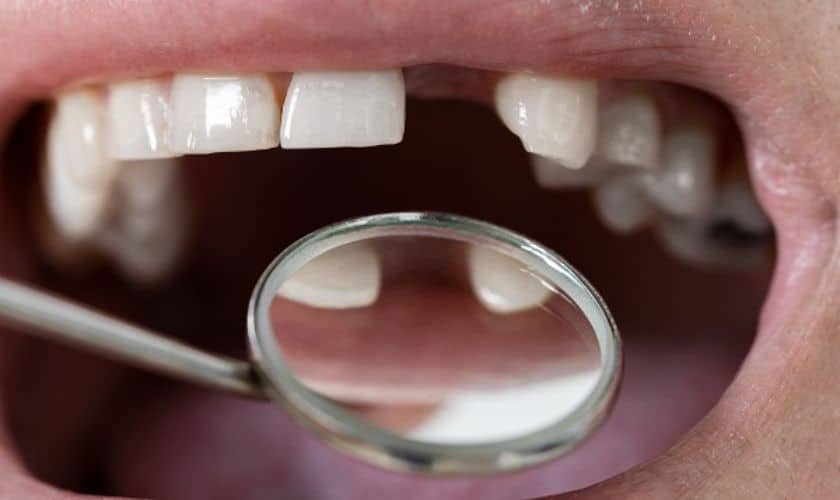
Missing teeth can be a source of embarrassment and insecurity, but there are many misconceptions about the effects of missing teeth. This article explores 6 common misconceptions about missing teeth and the truth behind them. It is important to understand the facts about missing teeth in order to make informed decisions about your oral health.
Missing Teeth Don’t Affect Your Oral Health
One of the most common misconceptions about missing teeth is that they don’t affect your oral health. This is simply not true. Missing teeth can cause a variety of oral health problems, including an increased risk of gum disease, tooth decay, and jawbone deterioration. Additionally, missing teeth can cause your remaining teeth to shift out of alignment, leading to further oral health issues.
Gum Disease
Missing teeth can increase your risk of gum disease, as the gaps left by the missing teeth can be difficult to clean. This can lead to a buildup of plaque and bacteria, which can cause inflammation and infection of the gums.
Tooth Decay
Missing teeth can also increase your risk of tooth decay. When teeth are missing, the remaining teeth can shift out of alignment, making them more difficult to clean. This can lead to a buildup of plaque and bacteria, which can cause tooth decay.
Jawbone Deterioration
Missing teeth can also cause the jawbone to deteriorate. When teeth are missing, the jawbone is no longer stimulated by the pressure of chewing, which can cause it to weaken and shrink over time.
Missing Teeth Don’t Affect Your Appearance
Another common misconception about missing teeth is that they don’t affect your appearance. This is also not true. Missing teeth can cause your face to appear sunken and aged, as the jawbone weakens and shrinks without the stimulation of chewing. Additionally, missing teeth can cause your remaining teeth to shift out of alignment, leading to an uneven smile.
Sunken Appearance
Missing teeth can cause your face to appear sunken and aged, as the jawbone weakens and shrinks without the stimulation of chewing. This can cause your cheeks to appear hollow and your lips to appear thin.
Uneven Smile
Missing teeth can also cause your remaining teeth to shift out of alignment, leading to an uneven smile. This can make it difficult to chew and speak properly, and can also cause your smile to appear crooked or uneven.
Low Self-Esteem
Missing teeth can also cause a decrease in self-esteem. Many people feel embarrassed or insecure about their missing teeth, which can lead to a decrease in self-confidence.
Missing Teeth Can’t Be Replaced
Another common misconception about missing teeth is that they can’t be replaced. This is not true. Missing teeth can be replaced with dental implants, bridges, or dentures. Dental implants are the most permanent and natural-looking option, as they are surgically implanted into the jawbone and can last a lifetime. Bridges and dentures are also effective options for replacing missing teeth.
Dental Implants
Dental implants are the most permanent and natural-looking option for replacing missing teeth. They are surgically implanted into the jawbone and can last a lifetime. Dental implants can also help to preserve the jawbone, as they stimulate the bone and prevent it from deteriorating.
Bridges
Bridges are another effective option for replacing missing teeth. Bridges are made up of two crowns that are placed on either side of the gap left by the missing tooth, and a false tooth is placed in between the two crowns. Bridges are a less invasive option than dental implants, but they are not as permanent.
Dentures
Dentures are another option for replacing missing teeth. Dentures are removable and can be taken out for cleaning. They are a less expensive option than dental implants or bridges, but they are not as permanent or natural-looking.
The Bottom Line
Missing teeth can be a source of embarrassment and insecurity, but there are many misconceptions about the effects of missing teeth. This blog explored 6 common misconceptions about missing teeth and the truth behind them. It is important to understand the facts about missing teeth in order to make informed decisions about your oral health consult with your dentist.