Think back to a dental visit from ten years ago. Long waits. Uncomfortable impressions. Multiple appointments just for a single crown. That experience has changed quite a bit. If you are looking for a dentist in Niceville, you will find that modern practices now use digital tools that make treatment quicker and far more precise than before.
This post breaks down what digital dentistry actually means, which tools are being used, and how those tools benefit you as a patient.
What Is Digital Dentistry?
Digital dentistry simply means using computer-based technology in place of traditional, older methods. It covers everything from how your dentist takes X-rays to how your crown or aligner is designed and made.
The core goal is the same as always, keeping your teeth healthy. The difference is in the tools. Digital tools give dentists more information, faster, with fewer chances for error.
Key Technologies You Will Find in a Modern Dental Office
Digital X-Rays
Digital X-rays use up to 90% less radiation than traditional film X-rays. Images appear on screen within seconds, giving your dentist a much clearer view to work from right away.
Intraoral Cameras
This is a small, wand-shaped camera that fits comfortably in your mouth. It captures high-quality images of areas that are hard to see, and your dentist can show you exactly what is happening on a screen during your visit.
3D Digital Scanning
Digital scanners replace the old putty impression trays that many patients found uncomfortable. A handheld scanner moves gently around your teeth and creates a precise 3D digital model in just a few minutes.
Laser Dentistry
Lasers are used for certain gum treatments and cavity procedures. They are precise, cause less damage to surrounding tissue, and often mean less discomfort and faster healing compared to traditional tools.
CAD/CAM Technology
CAD/CAM stands for computer-aided design and computer-aided manufacturing. Your dentist uses this system to design and mill crowns, veneers, and other restorations right in the office, often in a single appointment.
Cone Beam CT (CBCT) Imaging
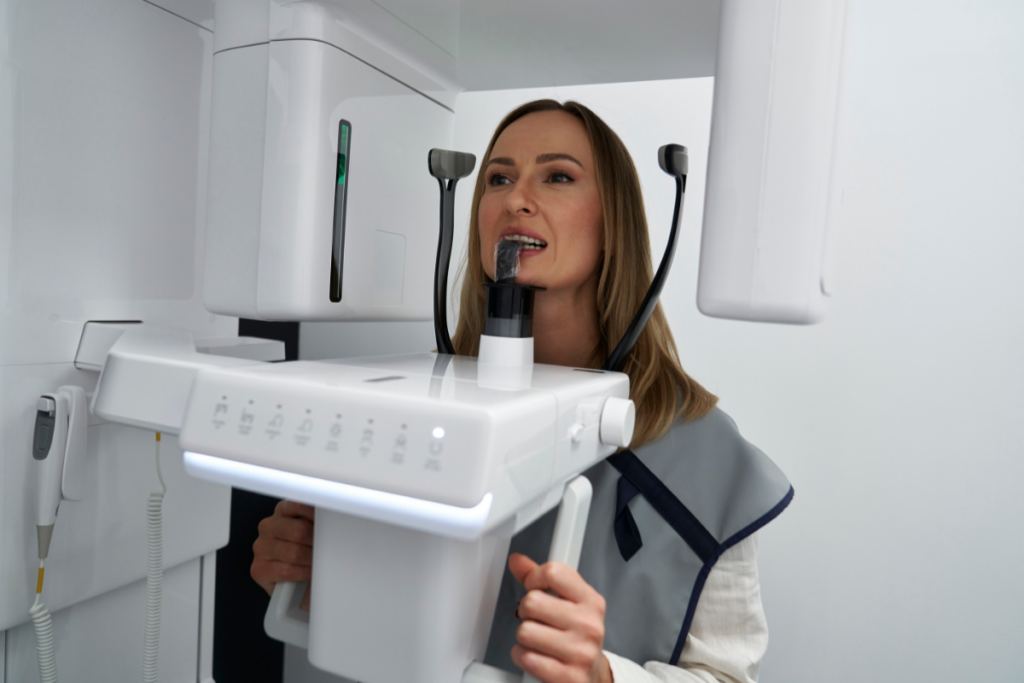
This creates a full 3D image of your jaw, teeth, and bone structure. It is especially useful for planning dental implants and complex orthodontic cases where precise measurements matter.
How This Changes Your Experience as a Patient
Fewer Appointments
With same-day crown technology, what used to require two visits now takes one. Your dentist scans your tooth, designs the crown on a computer, mills it in the office, and places it the same day. No temporary crown, no second trip.
More Comfortable Visits
Digital scans are quick and non-invasive. For patients who have always dreaded the putty impression trays, this is a welcome change. Laser treatments also reduce the need for drills in certain procedures, which helps patients who experience dental anxiety.
Better Diagnosis
3D imaging and intraoral cameras catch things that are easy to miss on a standard X-ray. Early detection of cavities, gum disease, or bone loss means simpler and less costly treatment. Many patients who find a good dentist near me using updated technology end up catching problems before they become serious.
Clearer Treatment Planning
With digital tools, your dentist can show you exactly what is happening in your mouth on screen. You can see a 3D model of your jaw, understand where a problem exists, and feel more confident about the care you are receiving.
Digital Dentistry and Orthodontics
Clear aligner therapy runs entirely on digital workflows. A 3D scan of your teeth is used to plan each stage of tooth movement. You can even see a digital preview of how your smile will look before treatment begins.
For patients in the area looking for a dentist in Niceville to handle orthodontic work, digital planning has made treatment timelines shorter and the overall process much more predictable.
Digital Implant Planning
Dental implants require very precise placement. The implant needs to go in at a specific angle and depth to fuse correctly with the bone. Cone beam CT scans create a full 3D image of the jaw, letting dentists plan implant placement virtually before the procedure begins.
Surgical guides printed from this digital plan then direct the exact position of the implant during surgery. The result is a safer, more predictable outcome with a shorter recovery time.
Is This Level of Care Available Near You?
More dental offices have adopted these tools over the last five years. Mid Bay Dental in Niceville, Florida, uses digital X-rays, intraoral scanning, and advanced imaging as part of routine care. If you live in the Niceville, Bluewater Bay, or Valparaiso area, access to this level of care is closer than you might think.
Local patients can also benefit from same-day crown restorations, which is useful if you have a busy schedule and cannot manage multiple dental trips. When searching for a dentist near me with these capabilities, it helps to ask the office specifically which digital tools they use day-to-day.
What to Ask Your Dentist About Digital Tools
Not every tool is right for every patient, but asking about them gives you a clearer picture of your options. A few useful questions to bring up:
- Do you use digital X-rays, and how much less radiation do they involve?
- Do you offer same-day crowns, or are they sent to an outside lab?
- Can I see a 3D image of my jaw before implant placement begins?
- Is clear aligner therapy handled in-office or referred out?
A dentist who is happy to walk you through the tools they use is one who values honesty and transparency in patient care.
Conclusion
Digital dentistry is not about replacing the dentist. It is about giving them better tools so your care is more accurate, your time in the chair is shorter, and your results are more predictable.
Whether you are due for a routine cleaning, considering orthodontic treatment, or exploring implants, finding a dentist in Niceville who uses modern digital tools makes a real difference in your overall experience. Mid Bay Dental is committed to staying current with these advances so that patients in the area receive the best care available.
Ready to see how these tools can improve your next dental visit? Schedule a consultation with Mid Bay Dental by calling our office or using our online appointment form. You are also welcome to contact our Mid Bay Dental office directly with any questions before your visit. We are here to make your care as clear, comfortable, and straightforward as possible.
Frequently Asked Questions
1. Is digital dentistry more expensive than traditional dentistry?
Not always. Some digital procedures, like same-day crowns, can reduce costs by cutting out the need for a second visit and a temporary crown. Costs vary by procedure and insurance coverage, so ask your dental office for a full breakdown before committing.
2. Are digital X-rays safe?
Yes. Digital X-rays use significantly less radiation than traditional film X-rays, up to 90% less in some systems. They are considered very safe for routine dental care, including for children.
3. What is the difference between a digital scan and a traditional impression?
A traditional impression uses a tray filled with putty that sets around your teeth. A digital scan uses a small camera wand to build a 3D model of your teeth quickly and without any material in your mouth. The digital version is faster, more comfortable, and generally more accurate.
4. How long does a same-day crown take?
The full process typically takes between 1.5 to 2.5 hours in a single appointment. This includes the scan, digital design, crown milling, and placement. Compare that to the older process, which required two visits spread weeks apart.
5. Is laser dentistry painful?
Most patients report less discomfort with laser treatment compared to traditional drills or scalpels. Lasers are precise and cause minimal damage to surrounding tissue. Recovery is usually faster, and post-treatment swelling is often reduced.
6. Can children receive digital dental care?
Yes. Digital X-rays are safer for children because of their lower radiation levels. Intraoral cameras also help young patients understand what the dentist is seeing, which can ease anxiety. Digital workflows are well-tolerated by patients of all ages.
7. Do I need a referral to get a CBCT scan for implant planning?
In most cases, no. If your dental office has a CBCT scanner in-house, your dentist can order the scan directly as part of your implant consultation. If not, they will refer you to an imaging center and use the results to plan your procedure.
8. Does insurance cover digital dental treatments?
Coverage depends on your specific plan. Most insurers cover the procedure itself regardless of whether it is performed digitally or traditionally. The digital method is generally treated as a delivery approach, not a separate billable item. Confirm with your insurance provider and ask the office to verify your benefits before treatment.