That glass of wine at dinner or beer after work feels harmless. But your mouth tells a different story. Alcohol changes the way your teeth and gums stay healthy, and most people never notice until a problem shows up. Let’s break down what really happens and what you can do about it.
Why Alcohol Dries Out Your Mouth
Alcohol pulls water from your body. This includes your mouth. Saliva is your first line of defense against cavities and gum disease. It washes away food bits and keeps harmful bacteria in check. When you drink often, saliva flow drops. A dry mouth gives bacteria more room to grow, and that raises your risk for tooth decay.
People here in Northwest Florida enjoy warm weather almost year round, which means more time outdoors with a cold drink in hand. That habit, paired with sun exposure, can dry out your mouth even faster. A checkup with a dentist niceville families rely on can catch dry mouth issues early, and staying hydrated with water between drinks still makes a real difference.
Alcohol and Gum Disease
Drinking too much weakens your immune system over time. A weaker immune system struggles to fight off the bacteria that cause gum disease. Gums may look red, feel puffy, or bleed when you brush. Left alone, this can turn into a deeper infection that affects the bone holding your teeth in place.
Studies show that heavy drinkers face a higher rate of gum disease compared to light or non drinkers. A dentist niceville office often sees can spot early signs of gum trouble at a routine cleaning. The reason is simple. Alcohol lowers your body’s ability to heal and fight germs, so small issues turn into bigger ones.
The Sugar and Acid Problem
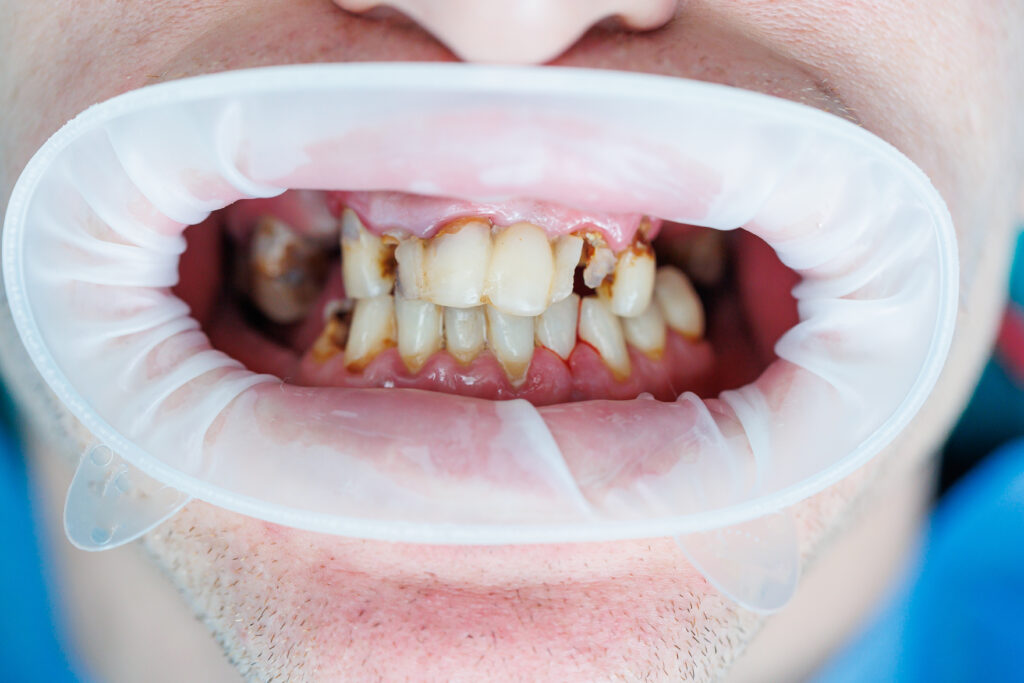
Many alcoholic drinks are packed with sugar and acid. Mixed cocktails, sweet wines, and flavored seltzers all feed the bacteria that cause cavities. Wine and citrus based cocktails also carry acid that wears down your enamel, the hard outer layer that protects your teeth.
Here is what tends to cause the most damage:
- Sweet cocktails with juice or syrup
- Wine, especially white and sparkling types
- Beer with high sugar content
- Sipping drinks slowly over hours instead of finishing them quickly
Once enamel wears thin, it does not grow back. Teeth become more sensitive to hot and cold, and cavities form faster.
Alcohol Stains and Discoloration
Red wine is famous for staining teeth, but white wine plays a role too. White wine has acid that opens tiny pores in your enamel, making it easier for other foods and drinks to leave stains behind. Dark beers and cocktails with cola or coffee mixers add to the problem.
If you already deal with stained teeth, a local dentist niceville office can walk you through safe whitening options that fit your smile and your budget.
Bad Breath and Alcohol
Ever notice your breath after a night of drinking? Alcohol lowers saliva flow, and that dry environment lets odor causing bacteria build up fast. Add in the smell of the alcohol itself, and you get breath that lingers long after your last drink. Chewing sugar free gum and drinking water can help, but many people find that a quick search for a dentist near me leads to the real fix, which is cutting back and keeping up with regular dental visits.
Alcohol, Oral Cancer, and Long Term Risks
This part matters the most. Heavy and frequent drinking raises your risk for oral cancer, especially when combined with tobacco use. The mouth’s soft tissue is exposed directly to alcohol, and repeated exposure over years can damage cells and lead to serious disease.
Regular checkups let your dental team spot early warning signs, like unusual sores, white patches, or lumps, long before they become a bigger problem. This is one more reason routine visits matter so much for anyone who drinks regularly.
Small Habits That Protect Your Smile
You do not have to give up alcohol completely to protect your teeth and gums. Booking a routine visit with a nearby dentist every six months helps you stay ahead of small problems. A few simple habits go a long way:
- Drink water between alcoholic drinks
- Choose drinks lower in sugar and acid
- Rinse your mouth with water after drinking
- Wait before brushing, since acid softens enamel right after drinking
- Keep up with regular cleanings and checkups
Small changes like these add up over months and years. Your gums and enamel will thank you.
Local Life and Your Oral Health
Living near the coast means plenty of social gatherings, boat days, and evenings out with friends. Drinks flow easily during these moments, and it is easy to forget how they affect your mouth over time. Pairing a fun lifestyle with smart oral care habits keeps your smile healthy for years ahead. A trusted dental team can help track changes in your teeth and gums that come from lifestyle habits like drinking, so problems get caught early instead of turning into costly treatments later.
When to See a Professional
If you notice bleeding gums, tooth sensitivity, bad breath that will not go away, or stains that bother you, it is time to book an appointment. Waiting only gives these issues more time to grow. Many people search for local dentist when they notice sudden pain or a chipped tooth after a night out, and acting fast in these moments protects your long term oral health and saves you money down the road.
Conclusion
Alcohol affects more than your head the morning after. It touches your saliva, your gums, your enamel, and even your long term health. The good news is that small, steady habits make a real difference. Drink water, choose lower sugar options, and keep your dental visits on schedule.
If it has been a while since your last checkup, or if you are searching for a dentist near me who understands how lifestyle habits affect your smile, now is a good time to act. Schedule a consultation with Mid Bay Dental and let our team build a simple plan to protect your teeth and gums for years to come.
Frequently Asked Questions
1. Does alcohol cause cavities directly?
Alcohol itself does not cause cavities, but the sugar and acid in many drinks feed the bacteria that do.
2. How much drinking is considered risky for oral health?
Frequent or heavy drinking raises your risk more than the occasional drink. Moderation matters most.
3. Can alcohol make my gums bleed?
Yes. Alcohol can weaken your body’s ability to fight bacteria, which leads to swollen or bleeding gums over time.
4. Does wine stain teeth more than beer?
Wine, both red and white, tends to stain more than beer because of its acid and coloring compounds.
5. Should I brush my teeth right after drinking?
It is better to wait about thirty minutes. Alcohol and acidic drinks soften enamel, and brushing too soon can wear it down faster.
6. Can quitting alcohol reverse damage to my teeth?
Cutting back can stop further damage and improve gum health, though some enamel wear cannot be reversed.
7. Does alcohol affect children or teens differently?
Yes. Their enamel is still developing, so any exposure to sugary or acidic drinks can cause faster damage.
8. Is mouthwash enough to fix dry mouth from drinking?
Mouthwash helps short term, but drinking water and cutting back on alcohol are more effective long term fixes.