
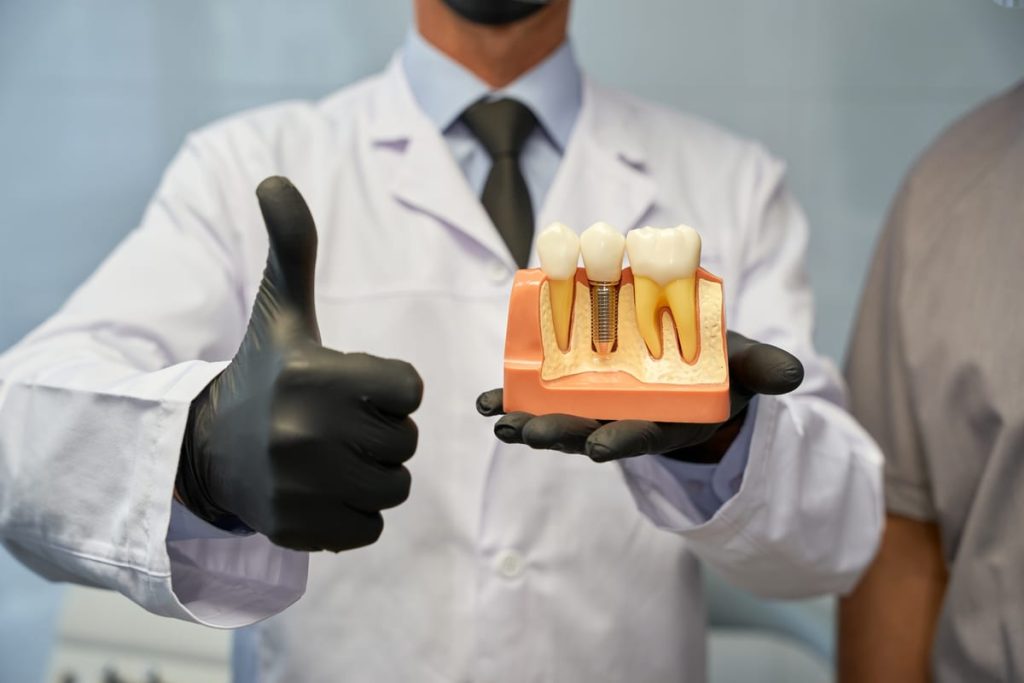
If you’ve been told you need a dental implant, your first reaction might be nervousness. That’s completely normal. Many patients in Niceville, FL feel the same way before their first appointment. Understanding what happens during your dental implant procedure step-by-step in Niceville can make a huge difference. Knowledge reduces fear — and Dr. Justine Chase at Mid Bay Dental is here to walk you through every stage.
Step One: Your Initial Consultation and Treatment Planning
Every successful implant starts with a thorough consultation. Dr. Chase will examine your mouth, jaw, and overall oral health during this visit. She’ll take digital X-rays and possibly a 3D cone beam scan to evaluate your bone density.
This step is critical. Implants require enough healthy jawbone to anchor securely. If bone loss has occurred, Dr. Chase will discuss bone grafting options with you first. You’ll leave this appointment with a clear, personalized treatment plan.
Your consultation also covers your medical history. Certain health conditions or medications can affect healing. Full transparency during this stage helps Dr. Chase plan the safest, most effective path forward for you.
Step Two: Implant Placement — What Happens During the Surgery
On surgery day, local anesthesia is administered to numb the area completely. Most patients report feeling pressure but very little pain. Sedation options are also available if you feel anxious.
Dr. Chase makes a small incision in the gum tissue to expose the jawbone beneath. She then carefully drills a precise channel and places the titanium implant post into the bone. This post acts as your new artificial tooth root.
The gum is then closed with stitches. The entire placement procedure typically takes one to two hours per implant. Before you know it, the surgical portion is complete.
- Local anesthesia is used to keep you comfortable throughout
- A small titanium post is placed directly into the jawbone
- Stitches close the gum tissue around the implant site
- The procedure usually takes one to two hours per tooth
- Sedation dentistry options are available for anxious patients
Step Three: Osseointegration — The Healing Phase
After placement, your body begins an amazing process called osseointegration. This is when your jawbone fuses naturally around the titanium post. It’s what makes dental implants so remarkably stable long-term.
This healing phase takes anywhere from three to six months. During this time, the implant becomes a true part of your jaw structure. You’ll visit Mid Bay Dental for follow-up checkups so Dr. Chase can monitor your progress.
You can still eat, speak, and smile normally during healing. Dr. Chase will provide specific aftercare instructions to protect the implant site. Avoiding hard foods and maintaining gentle oral hygiene are key priorities during this period.
Some patients also explore other smile improvements while they wait. If you’re curious about options like Cosmetic Dentistry Niceville services, Dr. Chase can discuss what’s possible alongside your implant treatment.
Step Four: Abutment Placement and Your Custom Crown
Once osseointegration is complete, Dr. Chase performs a minor second procedure. She attaches a small connector piece called an abutment to the top of the implant post. This abutment will hold your final restoration in place.
Your gum tissue needs a short healing period after abutment placement. This usually takes two to three weeks. During this time, impressions or digital scans are taken of your mouth.
Those scans go to a dental lab where your custom crown is crafted. The crown is designed to match the size, shape, and shade of your natural teeth. When it’s ready, Dr. Chase bonds it securely onto the abutment.
- The abutment acts as a connector between the implant and the crown
- Digital scans create a precise, custom-fitted restoration
- Your crown is color-matched to your surrounding teeth
- The final crown looks and functions like a natural tooth
- Most patients are thrilled with the lifelike result
What to Expect After Your Final Restoration
Once your crown is placed, your implant journey is essentially complete. Most patients adapt quickly and forget the implant is even there. Eating, speaking, and smiling all feel completely natural.
Implants are designed to last decades with proper care. Brushing twice daily and flossing around the implant are essential habits. Routine dental visits at Mid Bay Dental keep everything healthy long-term.
Some patients use their implant journey as motivation to improve their overall smile. Teeth whitening, veneers, or even Invisalign Niceville can complement your new implant beautifully. Dr. Chase is happy to discuss a full smile plan during any follow-up visit.
Why Niceville Patients Choose Mid Bay Dental for Implants
Dr. Justine Chase brings both skill and genuine compassion to every implant case. She takes time to explain every step clearly so patients never feel confused or rushed. Her goal is to make your experience as smooth and stress-free as possible.
Mid Bay Dental serves the Niceville, FL community with a full range of general and restorative services. From your first consultation to final crown placement, our team is with you every step of the way. We believe every patient deserves a smile that feels both healthy and beautiful.
Fear of the unknown is one of the biggest barriers to getting implants. Now that you know what happens during your dental implant procedure step-by-step in Niceville, that barrier doesn’t have to hold you back. Book Now to schedule your appointment with our team.
Frequently Asked Questions
Is the dental implant procedure painful?
Most patients experience minimal discomfort during the procedure itself thanks to local anesthesia. Post-surgery soreness is common but manageable with over-the-counter pain relievers. Dr. Chase will provide full aftercare guidance to keep you comfortable during recovery.
How long does the entire dental implant process take?
The full process — from consultation to final crown — typically takes five to eight months. Most of that time involves the natural healing and osseointegration phase. The actual surgical appointments themselves are relatively short.
Am I a good candidate for dental implants?
Most healthy adults with sufficient jawbone density are good candidates for implants. Conditions like uncontrolled diabetes or gum disease may need to be addressed first. Dr. Chase evaluates each patient individually during the consultation to determine the best approach.
Can I eat normally while my implant is healing?
Yes, but with some modifications during the early healing period. Dr. Chase recommends soft foods and avoiding chewing directly on the implant site at first. As healing progresses, you can gradually return to your normal diet.
How do I care for my dental implant long-term?
Care for your implant just like a natural tooth — brush twice daily, floss carefully around the base, and attend regular dental checkups. Implants don’t decay, but the surrounding gum tissue still needs attention. With consistent care, implants can last a lifetime.