
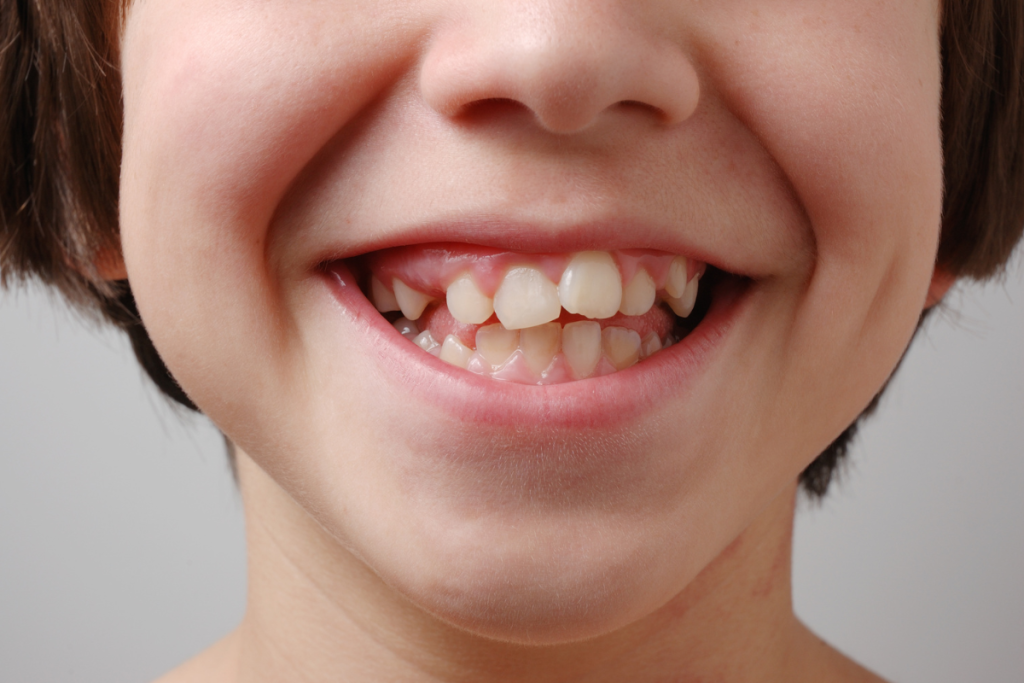
Crooked teeth can look alike and still have different causes. One person may have a narrow jaw. Another may have a tongue habit, a deep bite, or teeth that moved after old braces. The cause, the bite, and the gums shape the plan. That is why aligner plans are never copied from one patient to the next.
The Friend Who Got Different Advice
Your coworker has crowded front teeth. So do you. She hears “about nine months.” You hear “a longer plan with a few extra steps.” It feels unfair, and you start to wonder if something is wrong.
Nothing is wrong. Two smiles can look the same from the front and work very differently underneath. A plan is built from what the teeth, bone, gums, and bite are doing, not from a photo.
Same Look, Different Cause
That is why a consult for invisalign in niceville begins with an exam and not a quote. The dentist looks for the reason the teeth are crooked. These are common causes:
- Not enough room. A small jaw or large teeth lead to crowding.
- Too much room. Small teeth or a wide jaw lead to gaps.
- Bite problems. An overbite, underbite, or open bite changes how teeth must move.
- Habits. Tongue thrust, thumb sucking in childhood, or mouth breathing can push teeth over time.
- Past braces. Teeth can shift back if a retainer was not worn.
- Missing or worn teeth. Neighbors tip into the gap, and the bite changes.
- Gum and bone health. Teeth with weak support must move slowly and with care.
Two patients can share one symptom and have two different causes. The cause decides the fix.
Two Example Patients
These are examples, not real patients.
| Patient A | Patient B | |
| What you see | Crowded lower front teeth | Crowded lower front teeth |
| Cause | Slight lack of space | Narrow jaw and deep bite |
| Main moves | Small rotations | Widening, tipping, and bite change |
| Extra tools | Few | Attachments, elastics, and spacing work |
| Plan length | Shorter | Longer |
| Check-ins | Routine | More frequent |
| After treatment | Retainer | Retainer, plus bite and habit follow-up |
Both patients wear clear aligners. The path is different because the starting point is different.
What the Plan Has to Solve
A plan is a list of tooth moves in a set order. Teeth do not all move the same way:
- Rotating a twisted tooth is common and often simple.
- Tipping a leaning tooth upright takes more control.
- Moving a whole tooth in a straight line is harder, since root and crown move together.
- Raising or lowering a tooth is slow work.
- Making space may need slight shaving between teeth or widening the arch.
The harder the move, the more help the aligner needs. That help can be small bumps called attachments bonded to teeth, light elastics, or planned spacing steps. Your dentist explains each tool and why it is there.
Why Your Habits and Health Change the Plan
Teeth move because of steady, light pressure. Anything that pushes against that pressure can slow or undo the work.
- Tongue habits and mouth breathing can push teeth out of place again. Treating them improves the long-term result.
- Clenching and grinding can strain teeth that are moving. A night guard may be added later.
- Gum disease must be under control before any teeth move.
- Crowns, bridges, and fillings do not move like natural enamel. They may change how attachments are placed.
- Wear time matters. Aligners work when worn about 20 to 22 hours a day. Skipping hours adds months.
Try This Quick Self-Check
Answer yes or no.
- Have you worn braces or aligners before?
- Do you clench or grind your teeth?
- Do you breathe through your mouth, or snore?
- Are any teeth missing, or do you have crowns or bridges?
- Do your gums bleed or feel sore?
- Does your upper or lower jaw sit forward or back?
What your answers mean:
- 0 to 1 yes: Your plan may be simpler.
- 2 to 3 yes: Expect some extra steps. Tell your dentist about each yes.
- 4 or more yes: Plan for a longer path and a careful start. This is normal and not a bad sign.
This is not a diagnosis. Share your answers at your visit so nothing is missed.
How the Planning Works
Mid Bay Dental describes the process in clear steps. The dentist examines your teeth and gums. Next, a mold or scan of your teeth is made and a treatment plan is written. That plan goes to Invisalign, which builds 3D images and a series of custom aligners. Each aligner is worn for about two weeks, then you move to the next one. Many cases take about 12 months, and complex ones can take longer. Only dentists trained and certified in Invisalign can provide this care.
When you ask about Invisalign in Niceville, you should leave your first visit knowing:
- What is causing your crooked teeth
- Which moves are needed and which tools will help
- How long your plan may take, and why
- What it may cost, and what your insurance may cover
- What happens after, including your retainer
If the plan changes midway, the dentist should tell you why. Small plan updates, often called refinements, are common.
Aligners or Another Option?
Aligners are not right for every case. Some patients do better with braces, a mix of treatments, or cosmetic work such as bonding. A clear exam answers this before any money is spent. Both teens and adults can be candidates, and adults with teeth that shifted after teen braces often do well.
Life in Niceville and Aligner Care
Many patients here are military families who move every few years. If a move may come before your plan ends, say so at the first visit. Ask how records, aligner sets, and progress notes can be passed on to another office.
Daily life on the Emerald Coast also matters. Take aligners out for sports drinks and sweet tea, then brush before putting them back. Keep the case in your bag on beach and boat days. Never wrap aligners in a napkin. They get thrown away that way more often than people think.
The American Association of Orthodontists (AAO) and the American Dental Association (ADA) both offer patient guides on how teeth move and why retainers matter.
Meet Our Dentists
Dr. Kathleen Hood, DDS
Dr. Hood is an Invisalign Gold level provider. She earned her undergraduate and dental degrees at the University of North Carolina at Chapel Hill. She then completed an Advanced Education in General Dentistry residency at the Medical University of South Carolina. She has worked in dentistry since 2008 and is nitrous oxide certified, which helps nervous patients feel at ease. As a military spouse, she knows how hard a move can be on a care plan.
Dr. Justine Chase, DDS
Dr. Chase opened Mid Bay Dental in 2001. She earned her dental degree from the University of Iowa College of Dentistry in 1997. She has trained for years at the Pankey Institute and the Spear Institute, where she is a faculty club member. She also studied orofacial myofunctional therapy and tongue tie care. This matters for patients whose crooked teeth may be tied to tongue habits or mouth breathing. For patients seeking clear aligner care in Niceville, her bite and airway training adds another view of the cause.
Dr. Bianca Gardner, DDS
Dr. Gardner earned her dental degree at the University of Kentucky College of Dentistry in 2020 on an Army scholarship. She served as an Army general dentist and joined the practice in late 2025. She has a passion for esthetic dentistry and sleep dentistry. Her sleep focus helps when grinding or clenching could affect a smile that is being straightened.
Your Next Step
Similar crooked teeth do not mean a similar plan. The cause, the bite, your habits, and your gum health all shape the path. A clear exam is the best way to see your own.
If you want Invisalign in Niceville with a plan built around your mouth and explained in plain words, Mid Bay Dental offers expert doctors consultation on on invisalign tYou can request an appointment online, read about aligner treatment, view the full list of services, or find the office on Google Maps.
Write down your questions before you go. Ask what is causing the problem, and why the plan fits it.
Frequently Asked Questions
1. Why did my friend get a shorter plan than I did?
Plans depend on the cause of the crooked teeth, the bite, and the gums. Two smiles that look alike can need different moves.
2. How long do clear aligners take?
Many cases take about 12 months. Each aligner is worn about two weeks. Complex cases, missed wear time, or added refinements can add months.
3. Can clear aligners fix a bad bite?
Often they can help with mild to moderate bite issues. Your dentist checks your bite first and tells you if another option fits better.
4. Do I need attachments or elastics?
Some patients do. Harder moves, such as tipping or lowering a tooth, may need small bumps or light elastics. Your dentist explains why before they are used.
5. Are aligners painful?
Most patients feel pressure or mild soreness for a day or two after switching to a new aligner. It usually fades fast.
6. What happens if I skip wearing my aligners?
Teeth move slower, and later aligners may stop fitting. Aim for 20 to 22 hours a day, or follow your dentist’s plan.
7. Do I need a retainer afterward?
Yes. Teeth drift back without one. Your dentist tells you how long to wear it each day.
8. Will dental insurance help pay for aligners?
Many plans that cover braces also cover aligners. Check your plan, and ask the office to review your benefits and give a written estimate.