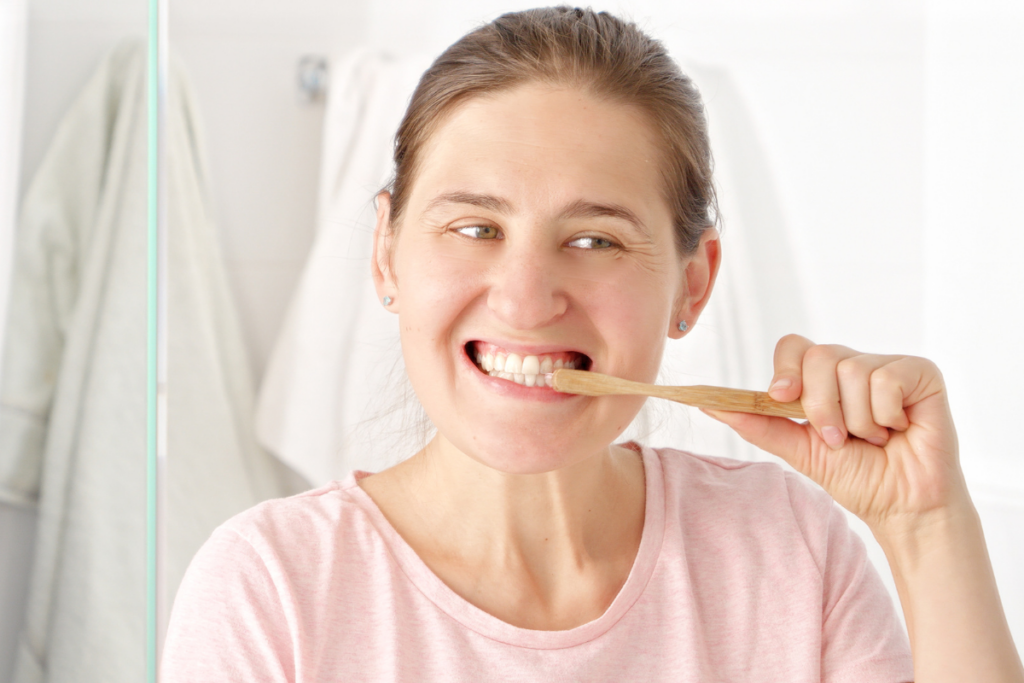
You probably think you brush your teeth the right way. Most people do. But dentists can tell within seconds of looking in your mouth if something is off. Small habits add up over time, and they show up as worn enamel, sore gums, or stains that won’t budge.
The good news is that most of these mistakes are easy to fix once you know what to look for. Below, we walk through the slip-ups we see most often in our chair, and simple ways to correct them starting today.
Rushing Through the Two-Minute Mark
Most people brush for less than a minute. Dentists know this the moment they check your gum line for plaque buildup near the back teeth, an area people tend to skip when they’re in a hurry.
Two minutes feels long when you’re standing at the sink. Try splitting your mouth into four sections and spending thirty seconds on each one. A simple timer or a song on your phone can help you stay on track without watching the clock.
Pressing Too Hard on the Bristles
Many people believe scrubbing harder means cleaner teeth. It’s actually the opposite. Heavy pressure wears down enamel and pushes gums back, which can lead to sensitive teeth and exposed roots over time.
A soft-bristled brush paired with light, gentle strokes does a better job than force ever could. If your bristles are frayed and bent after a few weeks, that’s a clear sign you’re pressing too hard.
Holding the Brush at the Wrong Angle
The angle of your brush matters more than people realize. Holding it flat against the tooth surface misses the spot where teeth meet gums, which is exactly where plaque likes to hide.
Tilt your brush at a 45 degree angle toward the gum line instead. Small circular motions along that edge clear away buildup that a flat, side to side scrub leaves behind.
Skipping the Tongue Completely
Bad breath often starts on the tongue, not the teeth. Bacteria collect on its surface throughout the day, and brushing your teeth alone won’t remove them.
A few gentle strokes across your tongue, or a tongue scraper if you prefer one, takes less than ten seconds. It’s a small step that makes a real difference in how fresh your breath feels by midday.
Brushing Right After Eating or Drinking
Brushing immediately after a meal, especially something acidic like citrus or soda, can actually damage your teeth. Acid softens enamel for a short window, and brushing during that window wears it away faster.
Waiting about thirty minutes gives your saliva time to neutralize the acid and re-harden the enamel naturally. Rinsing with plain water right after eating is a good habit to build in the meantime.
Using an Old or Worn-Out Toothbrush
A toothbrush past its prime doesn’t clean well no matter how good your technique is. Bent, splayed bristles slide across the tooth surface instead of lifting plaque away.
Most brushes need replacing every three months, or sooner if you notice the bristles fraying. Marking it on your calendar or tying it to the change of seasons makes it easier to remember.
Why Local Dental Habits Matter Here in Niceville
Local water and diet habits play a bigger role in dental health than most people expect. Families around the Emerald Coast enjoy plenty of sunshine, outdoor meals, and sweet tea, all things that can quietly affect enamel over the years if daily habits aren’t dialed in.
That’s one reason a dentist niceville families trust can catch small issues before they turn into bigger, costlier problems. Routine visits paired with the right brushing habits at home go a long way toward keeping smiles healthy in our warm, active community.
At Mid Bay Dental, we see these same brushing patterns come up again and again with patients from all over the area. A dentist niceville residents can rely on for honest, clear guidance makes it easier to build habits that actually stick, rather than generic advice that doesn’t fit your daily routine.
Simple Habits That Make a Real Difference
Fixing these mistakes doesn’t require a full routine overhaul. Small, consistent changes tend to stick better than big ones you abandon after a week. Here’s a quick recap to keep nearby:
- Brush for a full two minutes, twice a day
- Use gentle pressure with a soft-bristled brush
- Angle bristles toward the gum line, not flat against teeth
- Don’t forget the tongue
- Wait thirty minutes after eating before brushing
- Replace your toothbrush every three months
Pairing these habits with regular checkups is what really protects your smile long term. A trusted dentist niceville families visit twice a year can spot problems your bathroom mirror never will.
Final Thoughts
Good brushing habits are built one small correction at a time, not overnight. If any of these mistakes sound familiar, you’re not alone. Most patients pick up at least one or two along the way, often without realizing it.
If it’s been a while since your last checkup, or you simply want a second opinion on your current routine, our team is here to help. As a dentist niceville patients turn to for friendly, judgment-free care, we focus on practical advice that fits your life, not a one-size-fits-all script.
A niceville dentist who takes the time to explain the “why” behind each recommendation can make all the difference in how confident you feel about your smile. We’d love the chance to show you what that looks like in person.
Ready to get expert eyes on your smile? Book an online consultation with Mid Bay Dental today, and let’s build a brushing routine that actually works for you.
Frequently Asked Questions
1. How often should I really be brushing my teeth?
Twice a day is the standard recommendation, once in the morning and once before bed. Brushing more than that isn’t necessary and can sometimes wear down enamel if done too aggressively.
2. Is an electric toothbrush better than a manual one?
Electric brushes can make it easier to maintain consistent pressure and timing, but a manual brush works just as well when used correctly. The bigger factor is technique, not the tool itself.
3. Why do my gums bleed when I brush?
Bleeding gums usually point to plaque buildup along the gum line, often from brushing too softly or skipping certain spots. It can also signal early gum disease, so it’s worth mentioning at your next checkup if it continues.
4. Should I brush before or after breakfast?
Brushing before breakfast is often better, since it clears bacteria that built up overnight. If you brush after eating, wait about thirty minutes, especially after acidic foods or drinks.
5. Can mouthwash replace brushing?
No. Mouthwash helps rinse away loose debris and freshen breath, but it can’t physically remove plaque the way brushing does. Think of it as a helpful extra step, not a substitute.
6. What toothpaste ingredient matters most?
Fluoride is the main ingredient to look for. It strengthens enamel and helps prevent cavities, which is why most dentists recommend it for both kids and adults.
7. How do I know if my toothbrush is too worn out?
Look at the bristles from the side. If they’re bent, splayed outward, or discolored, it’s time for a new one, even if it hasn’t been a full three months yet.
8. Does brushing harder clean teeth better?
No, and it can actually cause harm. Firm pressure wears down enamel and irritates gums over time. Gentle, thorough brushing removes just as much plaque without the damage.