
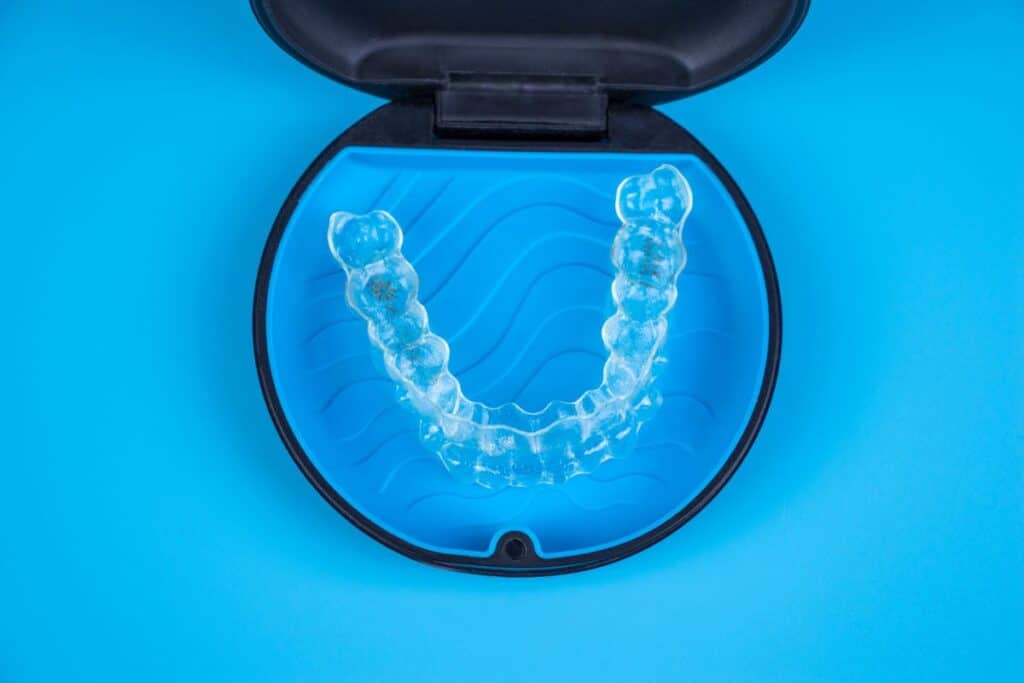
Invisalign, a clear alternative for traditional metal braces, has completely changed the orthodontics industry. Using a series of clear, customized aligners, this modern device progressively moves teeth into their ideal position. Patients frequently have concerns about the use of attachments, particularly when those attachments are positioned on the front teeth. We’ll go over all you need to know about invisalign with front tooth attachments in this article, so you can be fully informed and make an informed choice..
What Are Invisalign Attachments?
Button-like or bump-like invisalign attachments are tiny, tooth-colored forms that are cemented to the teeth. They are created using a composite resin material, which is also used in dental fillings. By acting as handles, these attachments assist the aligners move the teeth more precisely and effectively by providing a surface to hold.
Why Are Attachments Needed?
The invisalign treatment is made more successful by the use of attachments. They support deeper tooth movements that aligners might not be able to perform on their own. These motions may consist of:
- Teeth that rotate
- Changing the position of teeth
- Teeth moving in or out
- Adjusting the placement of the roots
- Teeth that need more force to move are normally the ones on which attachments are placed, and this frequently includes the front teeth.
Benefits of Invisalign with Attachments
- Enhanced Precision
With attachments, invisalign aligners may exert more exact pressure on teeth, resulting in motions that are more efficient and consistent. This accuracy contributes to getting the intended outcomes in the allotted treatment time.
- Adaptability
A greater variety of orthodontic problems can be treated by invisalign with the use of attachments. This covers situations where traditional braces might be necessary, such as extreme crowding, spacing, and bite issues.
- Discreet Appearance
Attachments are less obvious than metal brackets and wires because they are tooth-colored and fit in with the natural teeth, even when they are placed on the front teeth. In conjunction with the transparent aligners, they offer a covert orthodontic treatment choice.
Concerns About Attachments on Front Teeth
Visibility
Patients’ primary concerns are related to the appearance of attachments on their front teeth. Even while attachments are meant to be as subtle as possible, they can still be seen, particularly when the aligners are taken out. Nonetheless, the fact that they are tooth-colored helps to reduce their visibility.
Comfort
Attachments can feel strange at first, especially if they are on the front teeth. As you become used to them, they may cause some discomfort, but this normally goes away in a few days. In order to avoid inflammation around the attachments, it’s critical to practice proper oral hygiene.
Maintenance
Both the aesthetics of the aligners and dental health depend on the cleanliness of the attachments. Plaque accumulation and discoloration can be avoided by carefully brushing and flossing the area surrounding the attachments.
Managing Attachments on Front Teeth
Oral Hygiene
When you have attachments, it is imperative that you practice good dental hygiene. The following advice will help you maintain clean teeth and attachments:
- In order to keep food particles from being stuck in the attachments, brush your teeth after each meal.
- To gently clean the area surrounding the attachments, use fluoride toothpaste and a toothbrush with soft bristles.
- Use a brush threader if needed, but make sure that you floss every day to get rid of food pieces and plaque from in between your teeth and around attachments.
- To clean difficult-to-reach places, think about utilizing a water flosser or interdental brush.
Eating and Drinking
When you have invisalign attachments, it’s important to be mindful of your eating and drinking habits:
- Before consuming any kind of drink or food other than water, take out your aligners to avoid damage of the attachments and aligners.
- Steer clear of meals that are hard or sticky as they may damage or remove the attachments.
- After eating, rinse your mouth with water to help wash away food particles and lower your chance of developing plaque.
Aligners Care
Taking care of your aligners is just as important as taking care of your attachments:
- Using a gentle toothbrush and mild soap or invisalign cleaning crystals, clean your aligners on a regular basis. Toothpaste can be abrasive and harm the aligners, so avoid using it.
- When not in use, keep your aligners in their case to avoid loss or damage.
- Use clean hands while handling your aligners to prevent bringing bacteria into your mouth.
Tips for a Smooth Invisalign Journey
Follow Your Dentist’s Instructions
Your dentist or orthodontist will provide specific instructions on how to care for your aligners and attachments. Follow these guidelines closely to ensure the best results. Regular check-ups are also important to monitor your progress and make any necessary adjustments.
Wear Your Aligners as Directed
For invisalign to be effective, you need to wear your aligners for 20-22 hours a day. Only remove them for eating, drinking, brushing, and flossing. Consistent wear will help achieve the desired tooth movements and keep your treatment on track.
Use Chewies
Chewies are small, soft, cylindrical tools that help seat your aligners properly on your teeth. Biting down on chewies can help ensure a snug fit, especially when you have attachments on your front teeth.
Be Patient
Adjusting to invisalign and attachments can take some time. Be patient and give yourself time to get used to the feeling of the aligners and attachments in your mouth. Any initial discomfort or soreness should subside within a few days.
In Summary
Invisalign with attachments on front teeth offers a highly effective and discreet solution for a wide range of orthodontic issues. While the thought of attachments on your front teeth may initially cause concern, understanding their purpose and benefits can help ease any apprehension. These small, tooth-colored bumps play a crucial role in achieving the precise tooth movements needed for a successful treatment outcome.
By following good oral hygiene practices, maintaining your aligners, and adhering to your dentist’s instructions, you can ensure a smooth and successful invisalign journey. If you’re considering invisalign Niceville, speak with a dental professional to determine if this treatment is right for you and to learn more about how attachments can enhance your results. Remember, the ultimate goal is to achieve a healthy, beautiful smile, and invisalign with attachments can help you get there.