
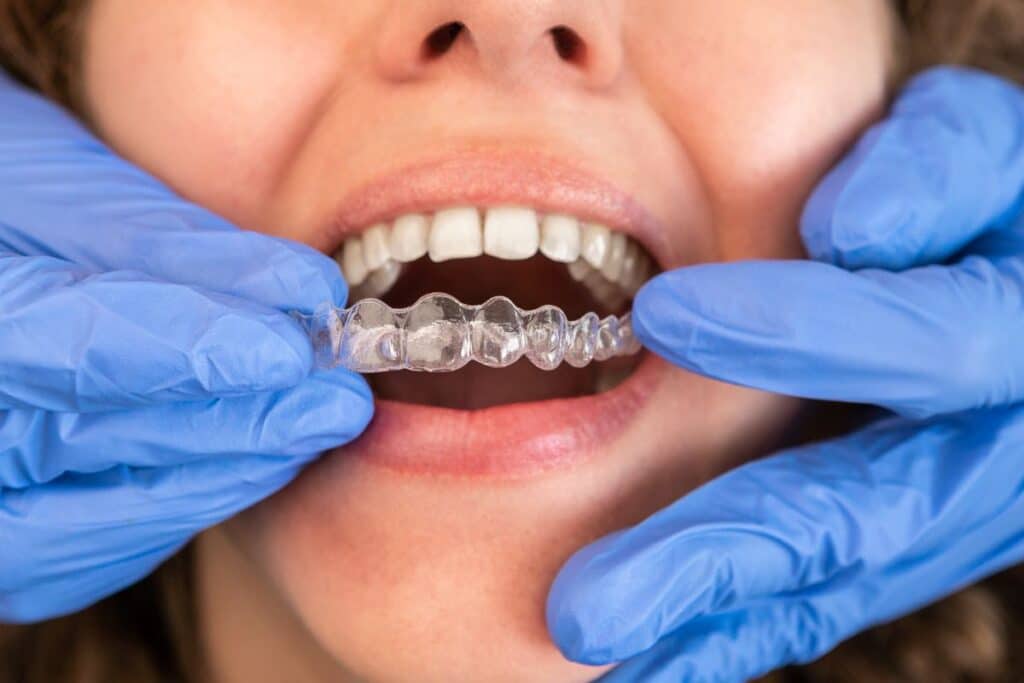
When considering options for straightening teeth, many people are drawn to invisalign because of its nearly invisible appearance and convenience. However, a common question that arises for potential users is whether pain with invisalign is normal. While invisalign offers a more discreet and comfortable alternative to traditional metal braces, it’s natural to be concerned about pain or discomfort. This blog will delve into whether experiencing pain with invisalign is typical and provide tips on how to manage it effectively.
Is Pain with Invisalign Normal?
The straightforward answer is yes, some pain or discomfort is normal when wearing invisalign aligners. However, this pain is typically mild and manageable. Here are a few reasons why you might experience pain with invisalign:
- Adjustment Period: When you first start wearing your aligners, your teeth, gums, and mouth need time to adjust. This adjustment period can cause mild discomfort or soreness, much like when you start wearing a new pair of shoes. This pain is usually temporary and diminishes as your mouth gets used to the aligners.
- Teeth Movement: Invisalign works by applying gentle, constant pressure to your teeth to move them into the desired position. This pressure can cause some pain or discomfort, particularly when you switch to a new set of aligners. This pain indicates that the aligners are doing their job of moving your teeth.
- Aligner Edges: Sometimes, the edges of the aligners can cause irritation to the inside of your cheeks or lips, leading to mild discomfort. This issue can often be resolved by using dental wax or asking your dentist to smooth out the edges.
How Long Does the Pain Last?
The pain or discomfort from invisalign is usually temporary. Most patients experience discomfort only for the first few days after starting a new set of aligners. The pain tends to subside once your teeth start to shift and get used to the new aligner. According to the American Association of Orthodontists, any discomfort from aligners typically lasts for two to three days at the start of each new tray. It’s important to note that while some discomfort is normal, severe or prolonged pain should not be ignored, and you should consult your dentist.
Managing Invisalign Pain
While some discomfort is inevitable with any orthodontic treatment, there are several ways to manage and reduce pain with invisalign:
- Use Over-the-Counter Pain Relievers: Taking over-the-counter pain medication, such as ibuprofen or acetaminophen, can help alleviate pain and make the adjustment period more comfortable.
- Use Orthodontic Wax: If the edges of the aligners are causing irritation, applying orthodontic wax to the areas where the aligners meet the gums can provide relief.
- Rinse with Warm Salt Water: Swishing with a warm salt water rinse can soothe gum irritation and reduce inflammation caused by the aligners. Simply mix a teaspoon of salt into a glass of warm water and rinse for 30 seconds.
- Stick to Softer Foods: Eating softer foods during the first few days after switching to a new set of aligners can reduce pressure on your teeth and minimize discomfort. Avoid hard or crunchy foods that may exacerbate pain.
- Wear Your Aligners as Directed: Wearing your aligners for the recommended 20-22 hours a day ensures that your teeth move as planned and minimizes discomfort. Removing the aligners too often can prolong the treatment and cause more pain.
- Try Aligner Chewies: Aligner chewies are small, soft cylinders that can help seat the aligners more comfortably on your teeth. Chewing on these for a few minutes can help relieve discomfort and ensure the aligners are fitting properly.
When to See Your Orthodontist
While some discomfort with invisalign is normal, there are instances where you should consult your dentist. If you experience severe pain that doesn’t subside after a few days, significant swelling, or if the aligners are causing sores or cuts in your mouth, it’s essential to seek professional advice. Your dentist can make adjustments to the aligners or provide additional solutions to alleviate pain.
Benefits of Invisalign Despite the Pain
Despite the possibility of experiencing some pain or discomfort, the benefits of invisalign often outweigh these minor drawbacks. Invisalign offers a more comfortable and aesthetically pleasing alternative to traditional metal braces. They are virtually invisible, removable for eating and brushing, and require fewer dental visits for adjustments. Studies have shown that invisalign can be just as effective as traditional braces for treating mild to moderate orthodontic issues, with a success rate of over 90% in many cases.
Embracing the Journey to a Better Smile
Experiencing some level of pain with invisalign is entirely normal and indicates that your treatment is progressing as it should. By following the tips outlined above and staying in close communication with your dentist, you can manage discomfort effectively and enjoy the benefits of a straighter, healthier smile.
If you’re considering invisalign Niceville or need advice on managing pain, don’t hesitate to reach out to Midbay Dental in Niceville, FL. Our experienced team is here to help you every step of the way on your journey to a perfect smile. Contact us today to schedule a consultation and learn more about how invisalign can transform your smile.