If you find yourself dreading a visit to the dentist in Niceville, you’re not alone. Many people experience dental anxiety, but local practices understand how crucial it is to make patients feel comfortable. In this sunny Florida town, where families enjoy outdoor activities and a laid-back lifestyle, it’s vital to ensure that your dental care doesn’t add stress to your busy routine. However, there are various techniques to help manage stress during oral procedures, so you can receive the care you need without fear.
Understanding Dental Anxiety And Its Impact
Dental anxiety is a widespread issue, and it’s often triggered by fear of pain, past negative experiences, or even the sounds and smells of a dental office. In Niceville and nearby areas like Crestview or Fort Walton Beach, people lead active lives, often engaging in community events or spending time outdoors.
The last thing they want is to deal with the discomfort of dentophobia when it’s time for a check-up or treatment. In fact, studies show that approximately 36% of people in the U.S. avoid visiting an oral care provider due to fear.
For those in this area, where the community is friendly and supportive, it’s reassuring to know that local dentists are experts in addressing this concern.
A simple Google search for a dentist near me can show a wide range of Niceville dentists, but the challenge remains: how do you manage the anxiety that stops you from booking an appointment? Here’s how modern dental practices are addressing this challenge with advanced techniques.
Techniques Dental Professionals Use To Manage Anxiety
Here are several standard techniques professionals use to make you feel more at ease during your visit:
- Sedation Dentistry
Sedation dentistry involves the use of sedative medications to help relax patients during their visit. Whether it’s minimal sedation, like nitrous oxide (laughing gas), or deeper sedation for more involved procedures, this technique helps patients stay calm and relaxed. This is ideal for individuals who experience severe stress.
- Local Anesthesia
To prevent pain during a procedure, local anesthesia is applied to numb the affected area. This technique allows you to stay awake but pain-free, which is especially useful for simple procedures like fillings or cleanings.
- Relaxation Techniques
Professionals also incorporate relaxation techniques during appointments. Deep breathing exercises, soothing music, or guided imagery are planned to calm your nerves and ease any tension. These methods help patients feel more in control of their experience.
- Distraction Therapy
For patients who need a bit of distraction to take their mind off the procedure, many local dental offices offer the option of watching TV or listening to music through headphones. This helps to shift focus and relax the patient.
- Clear Communication And Comfort
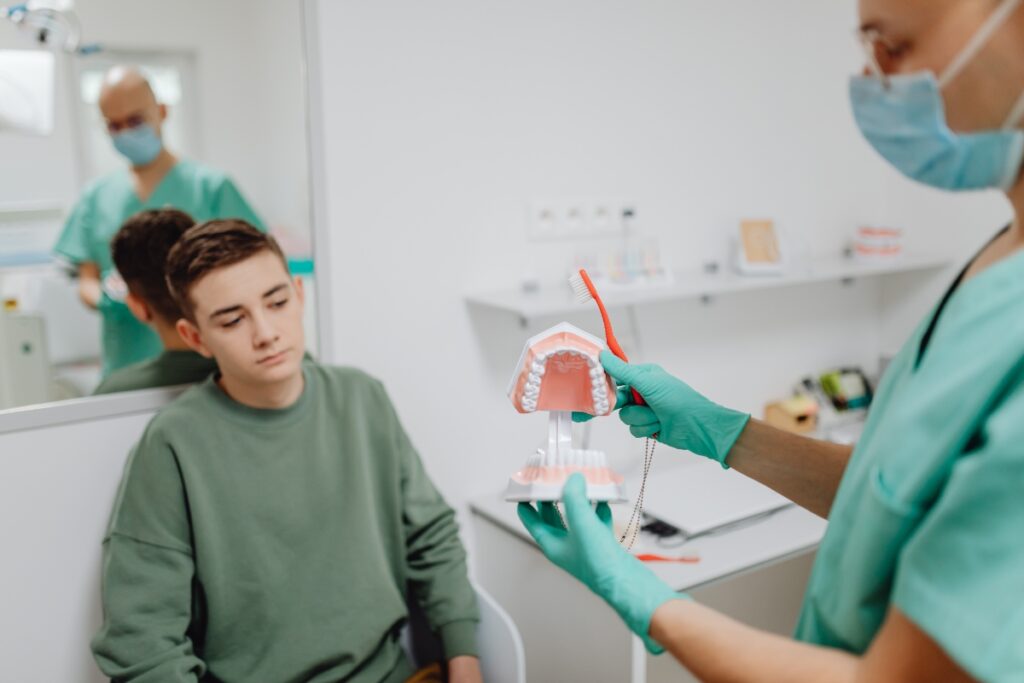
One of the key strategies you will find when searching for a ‘dentist near me’ is clear, compassionate communication. Specialists take the time to explain each step of the procedure, answer any questions, and make sure you’re comfortable before proceeding. This approach helps patients feel more in control and less fearful of the unknown.
The Importance Of Regular Teeth Checkups Despite Anxiety
Dentophobia is real, but skipping regular dental checkups can result in worsened oral health problems. A visit to a dentist in Niceville can help you prevent gum disease, cavities, or other dental issues that could require extensive and painful treatment later on. Taking control of your dental care now can help you avoid invasive procedures in the future.
Regular visits also provide an opportunity to build trust with the provider and become comfortable over time. The more you visit, the easier it becomes to manage any stress you may experience.
Long-Term Benefits Of Addressing Dental Appointment Jitters Early
The earlier you seek help for dental fear, the quicker you’ll break the cycle and avoid future oral complications. Regular dental visits become easier as you become more comfortable, and you can build a trusting relationship with your oral hygienist. Where oral health is linked to overall well-being, addressing this issue early on will help you maintain your smile for years without the stress of avoiding essential care.
Time To Smile Without Your Stress!
If you’re ready to overcome your dental fear and get back on track with your oral health, book a consultation today. A skilled dentist in Niceville will help you explore your options, address your concerns, and ensure you feel comfortable every step of the way.
Remember, maintaining a healthy smile is crucial for your overall well-being. Contact the nearest dental clinic to find out how we can make your next visit not only stress-free but also a little enjoyable. Your smile is waiting—let’s make sure it’s as bright as your future dental visits!
Frequently Asked Questions: Dental Anxiety Solutions
1. How common is dental anxiety?
Oral procedure stress affects approximately 36% of adults in the U.S., making it a widespread issue. Many people avoid dental visits due to fear, but modern techniques can make the experience easier.
2. How can sedation dentistry help with anxiety?
Sedation dentistry helps relax patients during dental procedures by using calming medications. This reduces anxiety and allows the specialist to work without the patient feeling discomfort.
3. What are the signs of dental anxiety?
Signs of dentist-related nervousness include nervousness, sweating, rapid heartbeat, or even avoiding dental appointments altogether. These feelings can be managed through techniques such as sedation and relaxation.
4. Is it safe to use sedation during dental visits?
Yes, sedation dentistry is safe when administered by a qualified oral care provider. A practitioner will assess your health and choose the appropriate sedation level based on your needs.
5. Can I talk to my practitioner about my anxiety?
Absolutely! It’s important to discuss your concerns before the appointment. Many professionals are trained to offer techniques that will make your experience more comfortable.