
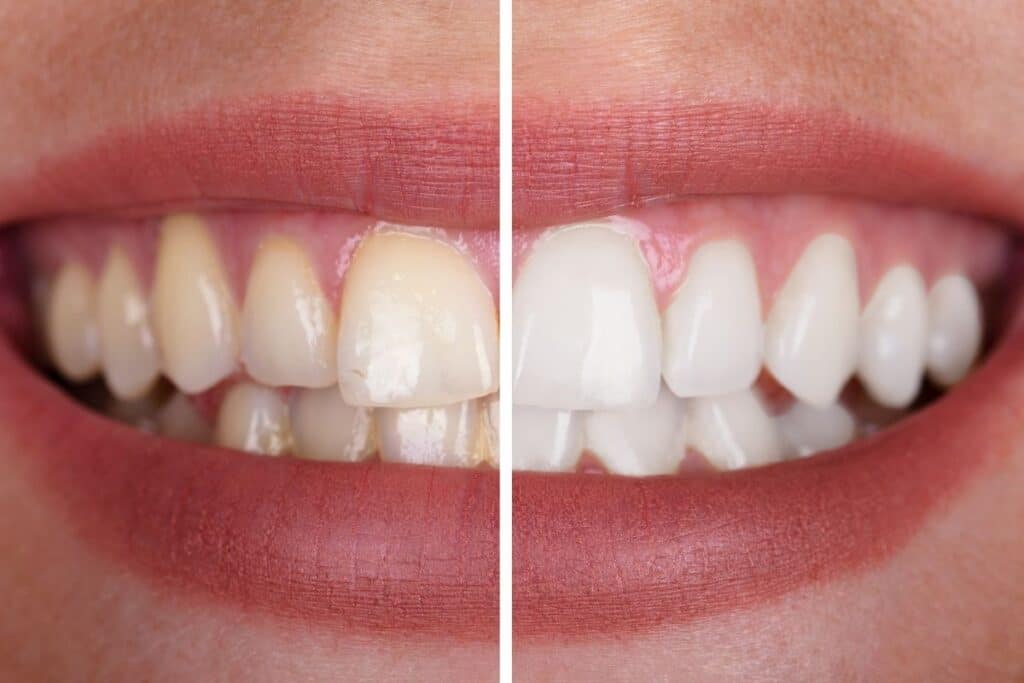
Teeth whitening has become a popular cosmetic dental procedure for those looking to brighten their smile. Whether it’s through professional treatments or at-home kits, many people are eager to achieve a whiter, more radiant smile. However, a common concern among patients is whether teeth whitening can damage the strength of their teeth. In this blog, we will explore how teeth whitening works, its potential effects on tooth strength, and what you can do to ensure your teeth remain healthy and strong.
Understanding How Teeth Whitening Works
To understand whether teeth whitening can damage tooth strength, it’s important to first know how the process works. Teeth whitening treatments generally use bleaching agents, such as hydrogen peroxide or carbamide peroxide, to remove stains and discoloration from the enamel, the outer layer of the teeth. These bleaching agents penetrate the enamel to break down the colored molecules that cause staining, leading to a brighter smile.
There are different methods of teeth whitening, including:
- In-Office Whitening
In-office whitening is done by a cosmetic dentist. It involves applying a higher concentration of the bleaching agent to the teeth. This method is usually quicker and more effective, offering noticeable results in just one session.
- At-Home Whitening Kits
At-home whitening kits provided by a cosmetic dentist include custom-made trays and bleaching gels. These kits allow patients to whiten their teeth at their convenience, though results may take longer to achieve compared to in-office treatments.
- Over-the-Counter Products
Over-the-counter whitening products like strips, gels, and toothpaste are widely available. These products contain lower concentrations of bleaching agents and may take longer to show results.
Can Teeth Whitening Weaken Your Teeth?
One of the primary concerns about teeth whitening is whether the process can weaken the teeth or make them more susceptible to damage. The short answer is that, when done correctly, teeth whitening should not weaken your teeth or harm their structure. However, there are certain factors to consider.
- Effect on Enamel
The enamel is the hardest substance in the human body, and it serves as a protective layer for your teeth. Teeth whitening products work by temporarily opening the pores in the enamel to allow the bleaching agent to reach the stains inside. This process does not remove or damage the enamel itself, but it can cause temporary sensitivity as the teeth become more porous during the whitening process.
It’s essential to follow the instructions provided by your cosmetic dentist to avoid overusing whitening products. Overuse or improper application of these products can lead to enamel erosion, which could weaken the teeth over time.
- Tooth Sensitivity
Tooth sensitivity is a common side effect of teeth whitening. This sensitivity occurs because the bleaching agents can irritate the nerves within the teeth, especially if you have thin enamel or existing dental issues like cavities. However, this sensitivity is usually temporary and should subside after a few days. Using desensitizing toothpaste and avoiding very hot or cold foods can help manage sensitivity during and after whitening treatments.
- Gum Irritation
If the whitening gel comes into contact with the gums, it can cause irritation or even chemical burns. This is more likely to happen with over-the-counter products that don’t fit as precisely as custom trays. To avoid gum irritation, it’s best to have whitening treatments performed by a professional or use dentist-approved kits that are tailored to your mouth.
- Over-Whitening
Some individuals may be tempted to overuse whitening products in pursuit of a brighter smile. Over-whitening can lead to enamel erosion, which can weaken the teeth and increase the risk of cavities and other dental issues. It’s important to follow the recommendations of your cosmetic dentist and avoid excessive whitening.
How to Safely Whiten Your Teeth
To ensure that your teeth remain healthy and strong while whitening, it’s important to follow some key guidelines.
- Consult with a Cosmetic Dentist
Before starting any whitening treatment, consult with a cosmetic dentist in Niceville or your local area. A dental professional can assess the condition of your teeth and recommend the best whitening method for you. They can also provide custom-fitted trays that minimize the risk of gum irritation and enamel damage.
- Follow Instructions Carefully
Whether you are using an at-home kit or undergoing in-office treatment, always follow the instructions provided by your dentist. Avoid leaving whitening products on your teeth for longer than recommended, as this can lead to increased sensitivity and potential damage to the enamel.
- Use Desensitizing Products
If you experience sensitivity during or after whitening, using desensitizing toothpaste or gel can help. These products contain ingredients like potassium nitrate or fluoride, which can help soothe sensitive teeth and protect the enamel.
- Avoid Overuse
It’s important not to overuse whitening products. Stick to the frequency recommended by your dentist, and avoid the temptation to whiten your teeth more often than advised. Overuse can lead to enamel erosion and long-term damage to your teeth.
- Maintain Good Oral Hygiene
Maintaining good oral hygiene is crucial for keeping your teeth strong and healthy. Brush twice a day with fluoride toothpaste, floss daily, and visit your dentist regularly for check-ups and cleanings. A healthy mouth is less likely to suffer from the potential side effects of teeth whitening.
- Limit Staining Foods and Drinks
After whitening your teeth, it’s a good idea to limit your intake of foods and drinks that can cause staining, such as coffee, tea, red wine, and tobacco. This can help maintain your results and reduce the need for frequent whitening treatments.
Conclusion
Teeth whitening, when done properly, is a safe and effective way to enhance your smile without damaging the strength of your teeth. While the process can cause temporary sensitivity and gum irritation, these side effects are generally mild and short-lived. By consulting with a cosmetic dentist and following their guidelines, you can achieve a brighter smile while keeping your teeth strong and healthy.
It’s important to remember that moderation is key. Avoid over-whitening, follow the recommended guidelines, and maintain good oral hygiene to ensure that your teeth remain in optimal condition. With the right care, you can enjoy the benefits of a whiter smile without compromising the strength of your teeth.