Bonding works well for small chips, minor gaps, and slight unevenness in one or a few front teeth. It uses tooth-colored resin and often takes one visit. It is not the best choice for crowding, a bad bite, or big changes in tooth shape. Veneers or clear aligners can fit those cases better.
Why This Matters
You smile in a photo and notice it. One front tooth sits a little shorter. Another leans, or has a small chip on the edge. It may not hurt, but it bothers you.
Many patients wait years before asking for help. They think the only fix is costly or drastic. That is not true. Some uneven teeth need only a small touch. Others need a plan. The right answer depends on what causes the uneven look, and a good exam starts there.
What Makes Front Teeth Look Uneven
Find the cause first. It decides the treatment.
- Chips and small breaks. Biting hard food, sports, or an old injury can chip an edge.
- Wear from grinding. Night grinding flattens the edges and makes teeth look short.
- Teeth that grew in small or short. Some people are born with it.
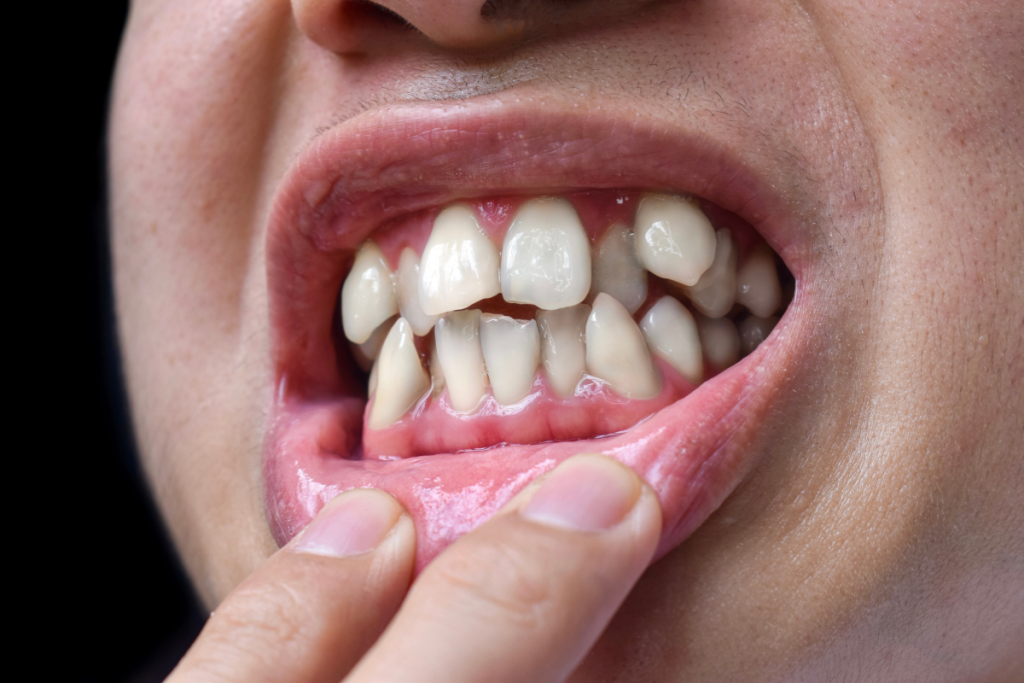
- Crowding or twisting. Teeth overlap or turn, so the edges do not line up.
- Gaps. Space between teeth changes how wide each tooth looks.
- An uneven gum line. The teeth may be fine, but the gums frame them unevenly.
When Bonding Can Help
A cosmetic dentist in Niceville will often suggest bonding first when the problem is small. It is the least invasive way to reshape a tooth.
How it works:
- The dentist picks a resin shade that matches your tooth.
- The tooth surface is lightly prepped so the resin holds.
- The dentist applies the resin and shapes it by hand.
- A blue light hardens the resin.
- The tooth is trimmed and polished to look natural.
Bonding is a good fit for:
- A chipped or cracked edge
- A small gap between two teeth
- One tooth that is slightly shorter than its neighbor
- Small stained or marked spots that whitening cannot fix
The upsides: It usually takes one visit. It removes little or no enamel. It costs less than most other options.
The limits: Resin can stain over time, and it can chip. It often lasts 5 to 10 years with good care, which is shorter than porcelain.
When Another Treatment Is Better
Bonding cannot fix everything. These are the cases where another option is the better call.
Veneers
Veneers are thin porcelain shells bonded to the front of the teeth. They suit patients who want to change the shape, size, and color of several teeth at once. They last longer and resist stains better than resin. They also cost more and need some enamel removal.
Clear aligners
If your teeth are crowded or twisted, bonding only covers the problem. It can leave a tooth thick and bulky. Clear aligners such as Invisalign move the teeth into line. The process takes months, but it treats the cause instead of hiding it.
Crowns
A large break, a big old filling, or a tooth that has had a root canal usually needs a crown. A crown covers the whole tooth and protects it. Bonding is too weak for this job.
Treat first, then improve
Some problems come before any cosmetic work. Cavities, gum disease, and grinding need care first. Bonding over an unhealthy tooth, or without a plan for grinding, will not last.
One more tip: resin does not whiten. If you want whiter teeth, whiten first, then match the shade.
Comparison Chart
| Option | Best for | Visits | How long it lasts | Enamel removed | Cost level |
| Bonding | Small chips, small gaps, one short tooth | Usually 1 | About 5 to 10 years | Little to none | Lowest |
| Veneers | Shape and color changes on several teeth | 2 or more | About 10 to 15 years | Some | Highest |
| Clear aligners | Crowded or twisted teeth | Several months of wear | Lasting, with a retainer | None | Mid to high |
| Crowns | Large breaks or weak teeth | 2 or more | About 10 to 15 years | More | High |
Lifespans are general ranges. Habits, grinding, and home care change them. Your dentist gives a written estimate before any treatment starts.
Try This Quick Fit Check
Answer yes or no.
- Is the problem limited to one or two teeth?
- Is it a small chip, a small gap, or a slightly short edge?
- Are your teeth twisted, overlapped, or crowded?
- Do you want to change the color and shape of many teeth?
- Do you grind or clench your teeth?
What your answers suggest:
- Yes to 1 and 2, no to 3 and 4: Bonding is likely a good fit.
- Yes to 3: Ask about clear aligners.
- Yes to 4: Ask about veneers.
- Yes to 5: Ask about a night guard to protect any work you have done.
This is a starting point, not a diagnosis. An exam gives the real answer.
What to Expect at Your First Visit
A good consult is clear and unhurried. Your first visit with a cosmetic dentist in Niceville should cover these steps:
- A health check of your teeth and gums
- X-rays to look for hidden decay or bite problems
- A talk about what bothers you and what you want
- A review of your options, with pros, limits, and cost in writing
- A decision on your timeline, with no pressure
You should leave knowing what each choice does, what it costs, and how long it lasts. If a tooth needs a filling or gum care first, the team will tell you and explain why.
Caring for Bonded Teeth
Small habits protect the resin:
- Do not bite your nails, pens, or ice.
- Do not open bottles or packages with your teeth.
- Limit coffee, tea, and dark sodas. Rinse with water after.
- Brush twice a day and clean between teeth daily.
- Wear a night guard if you grind.
- Keep regular checkups so the dentist can polish or repair the edges.
The American Dental Association (ADA) lists bonding among the options for chipped, cracked, or gapped teeth. The American Academy of Cosmetic Dentistry (AACD) is another trusted source if you want to read more about smile treatment choices.
Plan Around Local Life
Niceville is a busy place for weddings on the Gulf, school photos, family reunions, and military ceremonies. If you have an event coming, plan ahead. Bonding is often done in one visit, but you still need time for the consult and a follow-up if the shade or shape needs a tweak. Aligners and veneers take longer. Book early and share your date at the first visit.
Meet Our Dentists
Patients ask who will care for them. Here is a short look at the doctors at Mid Bay Dental.
Dr. Justine Chase, DDS
Dr. Chase opened Mid Bay Dental in 2001. She earned her dental degree from the University of Iowa College of Dentistry in 1997. She has trained for years at the Pankey Institute and the Spear Institute, where she is a faculty club member. Her studies also include orofacial myofunctional therapy, which helps when tongue habits or mouth breathing affect tooth position. She is a member of the American Dental Association and the Florida Dental Association. For a patient who wants a Niceville cosmetic dentist with deep bite and smile training, her background is a strong fit.
Dr. Kathleen Hood, DDS
Dr. Hood earned her undergraduate and dental degrees at the University of North Carolina at Chapel Hill. She completed an Advanced Education in General Dentistry residency at the Medical University of South Carolina. She is an Invisalign Gold level provider, so she can speak to both bonding and aligners. She is also nitrous oxide certified, which helps patients who feel nervous in the chair.
Dr. Bianca Gardner, DDS
Dr. Gardner earned her dental degree at the University of Kentucky College of Dentistry in 2020 on an Army scholarship. She served as an Army general dentist before joining the practice in late 2025. She has a passion for esthetic dentistry and sleep dentistry. Her interest in sleep helps when grinding is the reason a smile looks worn. She also offers Botox and fillers.
Your Next Step
Uneven front teeth do not always need a big fix. A small chip or gap can often be fixed with bonding in one visit. Crowding, wide changes, or weak teeth need another plan, and the right plan starts with a clear look at the cause.
If you want a cosmetic dentist in Niceville to walk you through your options in plain words, Mid Bay Dental offers consults in Niceville, FL. You can request an appointment online, read about our cosmetic dentistry options, view the full list of services, or find the office on Google Maps.
Bring a photo of a smile you like. It helps the conversation.
Frequently Asked Questions
1. Does dental bonding hurt?
Usually not. Bonding rarely needs numbing unless a tooth has decay or the chip is deep. Most patients feel only light pressure.
2. How long does bonding last?
It often lasts 5 to 10 years. Habits like nail biting, grinding, and chewing ice shorten that time.
3. Can bonding fix crooked teeth?
It can hide a very small shift. It cannot move teeth. For crowding or twisting, aligners usually give a better and longer lasting result.
4. Does bonding stain?
Resin can stain more than porcelain. Coffee, tea, red wine, and smoking raise the risk. Good brushing and regular polishing help.
5. Is bonding or a veneer better for one chipped tooth?
Bonding is often enough for one small chip. A veneer may fit better if the tooth is badly worn or the color does not match.
6. Can I whiten bonded teeth?
Whitening does not change resin color. Whiten your natural teeth first, then have the resin matched to the new shade.
7. Is bonding reversible?
Often yes, since little or no enamel is removed. Veneers and crowns are not reversible because enamel is shaped for them.
8. How do I know which option is right for me?
Start with an exam. The dentist checks the cause, your bite, and your goals, then explains each option and its cost in writing.