
Periodontal disease, also known as gum disease, is a serious condition that affects the gums and other structures that support the teeth. It is caused by bacteria that accumulate in the mouth and form plaque. If left untreated, periodontal disease can lead to tooth loss and other serious health problems. Fortunately, there are a variety of treatments available to help manage and prevent the progression of periodontal disease.
I. Non-Surgical Treatments
A. Professional Cleanings
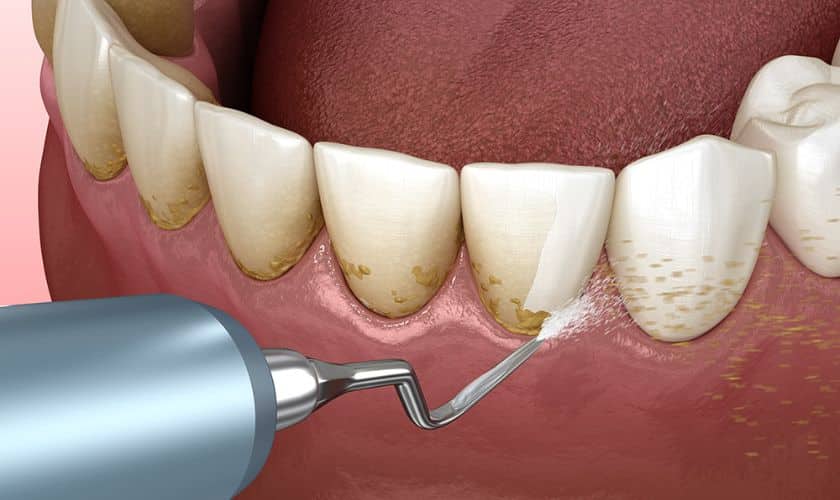
The first line of defense against periodontal disease is professional cleanings. During a professional cleaning, a dental hygienist will use special tools to remove plaque and tartar from the teeth and gums. This helps to reduce the amount of bacteria in the mouth and can help to prevent the progression of periodontal disease.
B. Antibiotics
In some cases, antibiotics may be prescribed to help treat periodontal disease. Antibiotics can help to reduce the amount of bacteria in the mouth and can help to reduce inflammation. Common antibiotics used to treat periodontal disease include tetracycline, doxycycline, and metronidazole.
II. Surgical Treatments
A. Flap Surgery
Flap surgery is a type of periodontal surgery that is used to treat advanced periodontal disease. During this procedure, the dentist will make small incisions in the gums to expose the roots of the teeth. The dentist will then remove any plaque and tartar that has built up on the roots. The gums will then be sutured back into place.
B. Bone Grafts
Bone grafts are another type of periodontal surgery that can be used to treat advanced periodontal disease. During this procedure, the dentist will take bone from another part of the body and graft it onto the jawbone. This helps to restore the bone that has been lost due to periodontal disease.
III. Lifestyle Changes
A. Good Oral Hygiene
Good oral hygiene is essential for preventing and managing periodontal disease. Brushing and flossing twice a day can help to remove plaque and tartar from the teeth and gums. It is also important to visit the dentist regularly for professional cleanings.
B. Healthy Diet
Eating a healthy diet can also help to prevent and manage periodontal disease. Eating a diet that is low in sugar and high in fiber can help to reduce the amount of bacteria in the mouth. It is also important to drink plenty of water to help keep the mouth clean.
Conclusion
Periodontal disease is a serious condition that can lead to tooth loss and other serious health problems. Fortunately, there are a variety of treatments available to help manage and prevent the progression of periodontal disease. Non-surgical treatments such as professional cleanings and antibiotics can help to reduce the amount of bacteria in the mouth. Surgical treatments such as flap surgery and bone grafts can be used to treat advanced periodontal disease. In addition, schedule an appointment with your dentist to make your lifestyle changes such as practicing good oral hygiene and eating a healthy diet can help to prevent and manage periodontal disease.