
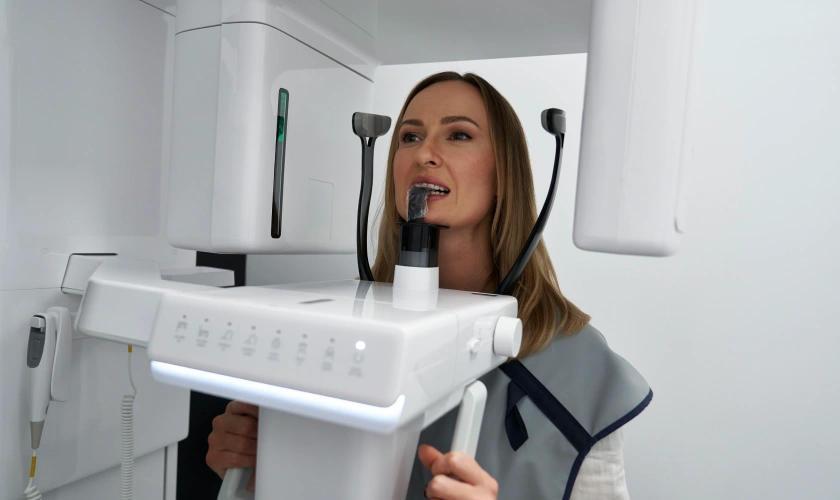
Airway treatment plays a pivotal role in ensuring optimal respiratory function and overall health. Beyond its immediate benefits for breathing, recent research has shed light on the profound impact airway treatment can have on facial development. This article delves into the relationship between airway treatment and facial development, exploring how interventions at critical stages can influence not only breathing but also the structural alignment of the face.
Understanding Airway Treatment
Airway treatment encompasses a range of interventions aimed at addressing issues that impede proper breathing. From obstructive sleep apnea to nasal congestion, various conditions can compromise the airway, leading to respiratory difficulties. Common airway treatments include Continuous Positive Airway Pressure (CPAP) therapy, orthodontic interventions, adenotonsillectomy, and maxillofacial surgery, among others. These treatments aim to alleviate obstructions and improve airflow, thereby enhancing breathing efficiency and quality of life.
The Interplay between Airway Function and Facial Development
Facial development is a complex process influenced by genetic, environmental, and functional factors. Emerging evidence suggests a bidirectional relationship between airway function and facial development. During infancy and childhood, nasal congestion, mouth breathing, and other airway obstructions can alter facial growth patterns. Chronic mouth breathing, for instance, can lead to skeletal changes in the face, such as a high arched palate, narrow dental arches, and retrognathic mandibles.
Early Intervention: Impact on Craniofacial Growth
Early intervention is crucial in mitigating the adverse effects of airway obstructions on facial development. Orthodontic treatments, such as palatal expansion and myofunctional therapy, aim to address underlying issues contributing to airway compromise. By expanding the dental arches and promoting nasal breathing, these interventions can positively influence craniofacial growth trajectories. Timely adenotonsillectomy in cases of obstructive sleep apnea not only improves respiratory function but also prevents long-term facial deformities associated with chronic airway obstruction.
Orthognathic Surgery: Restoring Facial Harmony
In cases where airway issues persist into adolescence or adulthood, orthognathic surgery may be necessary to restore optimal airway patency and facial aesthetics. Orthognathic surgery involves repositioning the upper and/or lower jaw to correct skeletal discrepancies and improve facial symmetry. Beyond enhancing airway function, orthognathic surgery can have profound effects on facial aesthetics, boosting self-esteem and quality of life for individuals affected by severe airway issues.
Multidisciplinary Approach: Collaborative Care for Optimal Outcomes
Optimal management of airway-related facial abnormalities requires a multidisciplinary approach involving orthodontists, otolaryngologists, maxillofacial surgeons, and other specialists. Collaboration among these disciplines ensures comprehensive assessment and tailored treatment plans that address both functional and aesthetic aspects of airway obstruction. By addressing underlying airway issues alongside facial concerns, this integrated approach aims to optimize treatment outcomes and long-term facial stability.
Airway treatment goes beyond simply improving respiratory function; it plays a crucial role in shaping facial development and aesthetics. From infancy to adulthood, timely interventions can mitigate the adverse effects of airway obstructions on craniofacial growth. By addressing underlying structural issues and promoting nasal breathing, airway treatments can help restore facial harmony and enhance overall well-being. A multidisciplinary approach involving various healthcare professionals is essential for achieving optimal outcomes in the management of airway-related facial abnormalities. As our understanding of the intricate relationship between airway function and facial development continues to evolve, so too will our approach to comprehensive care for individuals affected by these conditions.