Most people only think about their teeth when something hurts. By then, a small problem has often turned into a bigger one. The good news is that most cavities and gum disease are preventable, and it starts with what you do at home every single day.
Whether you already see a dentist Niceville or you have been searching for a dentist near me to get back on track, these habits can make a real difference in your oral health.
Why Daily Habits Matter More Than You Think
Your mouth is active all day. You eat, drink, talk, and breathe through it. Bacteria build up on your teeth constantly, and if you do not clean them well, that bacteria turns into plaque. Plaque leads to cavities. Left longer, it hardens into tartar and causes gum disease.
The good news is simple daily steps break that cycle before it starts.
Brush the Right Way, Twice a Day
Brushing is basic, but a lot of people still do it wrong. Here is what actually works:
Use a soft-bristled toothbrush and fluoride toothpaste. Hold your brush at a slight angle toward your gums. Use short, gentle strokes. Brush every surface, including the back of your teeth and your tongue.
Brush for two full minutes, once in the morning and once before bed. Rushing through it leaves plaque behind, especially near the gumline where problems usually start.
Replace your toothbrush every three to four months, or sooner if the bristles look worn.
Flossing Is Not Optional
Many people skip flossing because it feels like extra work. But your toothbrush cannot reach between your teeth. That is where cavities and gum disease often begin.
Floss once a day. It does not matter if you do it in the morning or at night, just make it a habit. Slide the floss gently between each tooth and curve it around the base of each tooth to clean just under the gumline.
If traditional floss is hard to use, floss picks or water flossers work just as well. The key is doing it consistently.
Rinse With a Mouthwash That Actually Helps
Not all mouthwashes are the same. An antibacterial or fluoride mouthwash adds a layer of protection after brushing and flossing. It reaches areas your brush might miss and helps reduce bacteria in your mouth.
Look for a mouthwash with the ADA seal. Use it after brushing, not as a replacement for it.
Watch What You Eat and Drink
Your diet plays a bigger role in your oral health than most people realize. Sugary and starchy foods feed the bacteria in your mouth. That bacteria then produces acid, and acid is what damages your enamel.
Sodas, sports drinks, and fruit juices are some of the biggest offenders. Even diet drinks can be acidic enough to wear down enamel over time.
Drink more water, especially fluoridated tap water. Eat more crunchy vegetables like carrots and celery, which naturally help clean your teeth. Limit snacking between meals to give your mouth time to recover between acid exposures.
Do Not Ignore Your Tongue and Gums
Bacteria do not only live on your teeth. Your tongue holds a lot of it. Use a tongue scraper or the back of your toothbrush to clean your tongue every day. It also helps with bad breath.
Pay attention to your gums. If they bleed when you brush or floss, that is an early sign of gum disease. Healthy gums do not bleed. Catching this early makes treatment simple. Ignoring it leads to more serious problems.
Local Tip for Niceville Residents
Niceville sits along the Boggy Bayou and sees a warm, humid climate most of the year. That kind of heat means people drink more sugary drinks and sports drinks to stay cool. If you are active outdoors or near the water, it is easy to sip on drinks that harm your teeth without realizing it.
Switching to water as your main drink is one of the best things you can do. Many Niceville families also have kids involved in local sports, which means frequent snacking and sugary drinks on the sideline. Building good habits early protects their teeth for life.
If you have been looking for a dentist near me and you live in or around Niceville, finding a local provider who understands your routine makes care more consistent and convenient.
When Home Care Is Not Enough
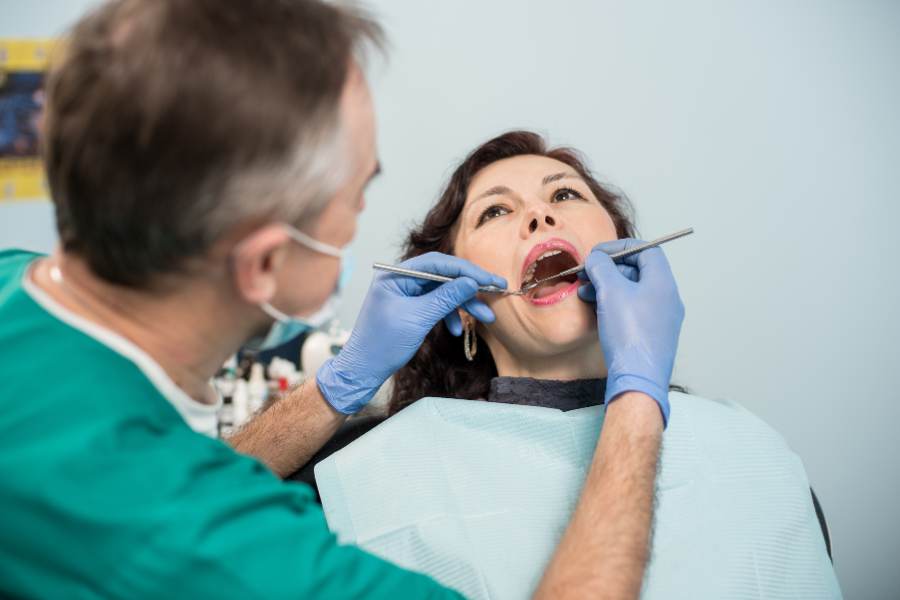
No matter how well you brush and floss, professional cleanings are still necessary. A hygienist removes tartar that home tools cannot. A dentist checks for early signs of cavities, gum disease, and other issues that are not visible to you.
Most adults need a cleaning and exam every six months. Some people with gum disease or higher cavity risk need to go more often. Your dentist Niceville can help you figure out what schedule makes sense for you.
Conclusion
Good oral health is not complicated. It is built on small, consistent habits done every day. Brush properly, floss daily, rinse with a quality mouthwash, and eat smart. Pay attention to your gums and tongue. And make sure professional care is part of your routine too.
If you have been putting off a dental visit, now is a good time to change that. Schedule a consultation with a trusted dentist Niceville and get a clear picture of where your oral health stands. A quick visit today can prevent a much bigger problem later.
Frequently Asked Questions
1. How often should I brush my teeth?
Brush twice a day, once in the morning and once before bed. Use fluoride toothpaste and spend at least two minutes each time.
2. Is flossing really necessary if I brush well?
Yes. Brushing does not reach between your teeth. Flossing removes plaque and food from those spaces and helps prevent cavities and gum disease in areas your brush cannot touch.
3. What is the first sign of gum disease?
Bleeding gums during brushing or flossing is usually the first sign. Swelling or redness near the gumline is another early warning. Catching it early makes it easy to treat.
4. How much does diet affect my teeth?
A lot. Sugary and acidic foods and drinks break down enamel over time. Limiting them and drinking more water makes a real difference in preventing cavities.
5. How often should I see a dentist?
Most people need a cleaning and exam every six months. If you have gum disease or other issues, your dentist may recommend more frequent visits.
6. Can mouthwash replace brushing or flossing?
No. Mouthwash is a helpful addition, not a replacement. Brushing and flossing do the main work of removing plaque. Mouthwash helps reduce bacteria that remain after brushing.
7. Why do my gums bleed when I floss?
Bleeding usually means there is inflammation from plaque buildup. As you floss more consistently, the bleeding often stops within one to two weeks. If it continues, see a dentist.
8. I have been searching for a dentist near me. What should I look for?
Look for a dentist who does thorough exams, communicates clearly, and fits your schedule. If you are in the Niceville area, finding someone local means easier access to follow-up care and a provider who knows your community.