
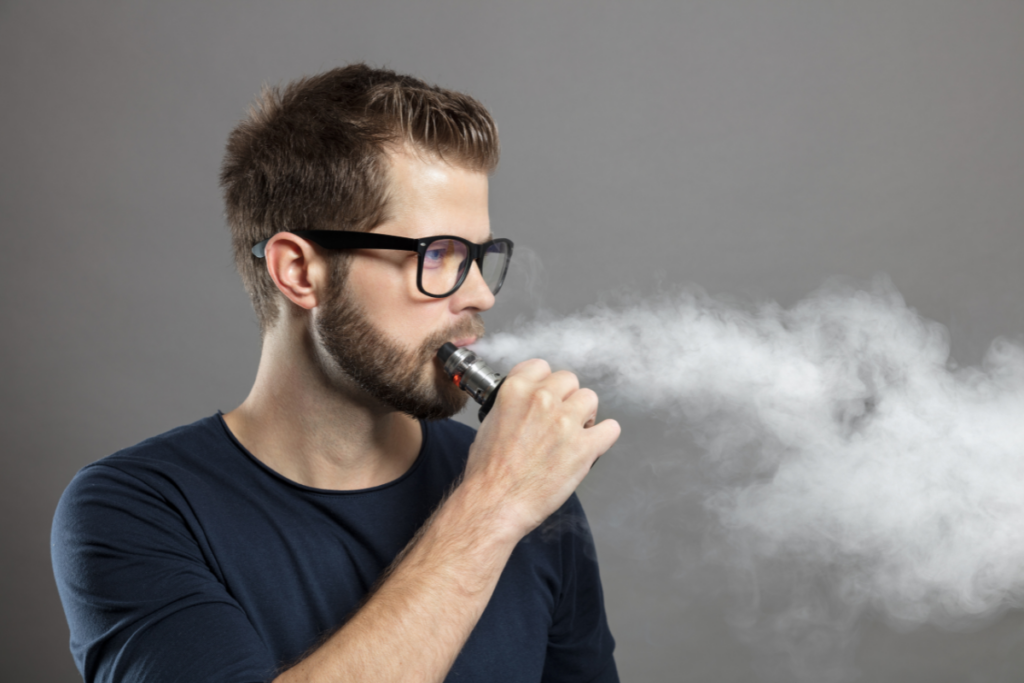
If you think vaping is safer than smoking for your teeth and gums, you are not alone. Many people believe switching to e-cigarettes protects their health. But the truth is, vaping still causes real and lasting damage inside your mouth. As a dentist, patients often come in surprised by how much harm vaping has already done before they even notice symptoms.
This post breaks down what vaping actually does to your oral health, why it matters, and what you can do about it.
What Is in Vape Aerosol?
E-cigarettes heat a liquid (called e-juice or vape juice) into a fine mist that you inhale. That mist is not just water vapor. It contains:
- Nicotine (in most products)
- Propylene glycol and vegetable glycerin
- Flavorings with chemical compounds
- Tiny metal particles from the heating coil
Each of these passes directly over your teeth, gums, and soft tissue every single time you take a puff. Over time, the effects build up.
How Vaping Harms Your Mouth
Dry Mouth
Propylene glycol in vape juice absorbs moisture. This causes chronic dry mouth, also called xerostomia. Saliva is your mouth’s natural defense. It washes away bacteria, balances acid, and protects enamel. Without enough saliva, bacteria multiply faster and tooth decay speeds up.
Gum Disease
Nicotine reduces blood flow to the gums. Less blood flow means less oxygen and fewer nutrients reaching the tissue. This weakens the gum’s ability to fight infection. Early signs include red, swollen, or bleeding gums. Left untreated, this turns into periodontal disease, which can cause tooth loss.
Enamel Erosion
The chemicals in vape aerosol make the mouth more acidic. Acid wears down tooth enamel, the hard outer layer of your teeth. Once enamel is gone, it does not grow back. This leads to sensitivity, discoloration, and a higher risk of cavities.
Mouth Sores and Tissue Damage
The heat from vaping, even at lower temperatures than cigarettes, irritates the soft tissue in your mouth. Many regular vapers develop mouth sores, inflammation, and tissue changes that a dentist near me would classify as early warning signs for more serious problems.
Increased Bacteria
A 2018 study published in iScience found that vaping changes the bacterial makeup inside the mouth. This shift promotes the growth of harmful bacteria that cause cavities and gum infections.
Vaping vs Smoking: Is One Worse for Your Mouth?
The short answer is: both are harmful. Cigarettes expose your mouth to tobacco smoke, tar, and carbon monoxide. Vaping skips those specific toxins but adds its own chemical risks.
Some damage differs in speed. Tobacco smokers often develop oral cancer and severe gum disease after years of use. Vapers, especially younger users, are showing signs of gum inflammation and enamel damage in much shorter timeframes.
Either way, the mouth takes a hit.
Younger Users Are at Higher Risk
Teens and young adults make up a large share of vape users. In Florida, youth vaping rates have remained a public health concern. The problem is that younger mouths are still developing. Damage to gum tissue and enamel during these years can lead to long-term oral health problems well before age 30.
If you or someone in your family vapes, getting a checkup at a local dental practice makes sense. In areas like the Niceville and Destin corridor, parents are increasingly bringing in teens for vaping-related concerns. A dentist near me can catch early signs before they become costly problems.
Signs You Should See a Dentist
You should book an appointment if you notice any of the following:
- Bleeding gums when you brush
- Persistent dry mouth
- White or red patches on your gums or tongue
- Tooth sensitivity to hot or cold
- Gums that look like they are pulling away from your teeth
- Unusual bad breath that does not go away
These signs do not always mean something serious, but they are worth checking. Catching problems early makes treatment simpler and less expensive.
What a Dental Exam Can Reveal
A thorough dental exam goes beyond just checking for cavities. It includes a gum health screening, an oral cancer check, and a look at how acids and bacteria may be affecting your enamel. For vaping patients, this kind of full-picture exam matters. Finding inflammation or enamel thinning early changes what treatment looks like.
Residents across the Okaloosa County region have access to several dental clinics in nearby areas, including offices in Fort Walton Beach, Crestview, and Destin. Each office offers varying services, wait times, and approaches to vaping-related care. Mid Bay Dental, based in Niceville, Florida, provides comprehensive oral health exams specifically tailored to patients dealing with vaping-related concerns, with experienced staff who stay current on the latest research in this area.
How to Protect Your Oral Health If You Vape
If quitting is your goal (and that is the best path for your mouth), your dentist can connect you with resources. In the meantime, here are some practical steps:
- Drink more water to combat dry mouth
- Brush twice daily with fluoride toothpaste
- Floss daily to remove bacteria from between teeth
- Cut back on flavored vapes, as sweet flavors increase acid exposure
- Visit your dentist every six months (or sooner if symptoms appear)
- Ask your doctor or dentist about nicotine replacement options
Protecting your gums and enamel now reduces how much work your mouth will need later.
Frequently Asked Questions
1. Can vaping cause tooth loss?
Yes, over time. Vaping reduces gum health by lowering blood flow and promoting bacterial growth. Advanced gum disease is one of the leading causes of tooth loss in adults.
2. Does vaping cause cavities?
Vaping causes dry mouth and increases acid in the mouth. Both of these conditions speed up cavity formation. People who vape regularly often see more cavities than non-vapers.
3. Can a dentist tell if I vape?
Yes. Signs like dry mouth, gum inflammation, and enamel wear can point to vaping. Your dentist is not there to judge you but to help protect your health.
4. How often should I see a dentist if I vape?
At minimum, twice a year. Some dental providers recommend every four months for patients who vape regularly, depending on how much damage is present.
5. Are nicotine-free vapes safe for my teeth?
Not entirely. Even nicotine-free vapes contain chemicals that dry out the mouth and irritate tissue. The absence of nicotine reduces some risk but does not eliminate it.
6. Can the damage from vaping be reversed?
Some damage can be treated. Gum inflammation caught early often improves with cleanings and better home care. Enamel loss, however, is permanent. Early action matters.
7. What is the first sign of oral damage from vaping?
Dry mouth and gum irritation are usually the earliest signs. Many patients also notice increased sensitivity or bleeding gums before any visible damage appears.
8. Is vaping better than smoking for oral health?
Both are harmful. Cigarettes cause more severe long-term damage in some areas, but vaping causes its own form of harm and has a faster onset of gum and tissue effects in many users.
Conclusion
Vaping is not a safe alternative when it comes to your oral health. It dries out your mouth, weakens your gums, erodes enamel, and changes the bacterial environment in ways that lead to real dental problems. The research is still growing, but what we already know is enough to take it seriously.
If you are a regular vaper or you have been noticing changes in your gums or teeth, do not wait. Schedule a consultation with Mid Bay Dental and get a full picture of where your oral health stands. Finding a trusted dentist near me who understands the specific risks of vaping can make a real difference in catching problems before they go too far.
Your mouth is worth protecting. Start with a simple appointment.